
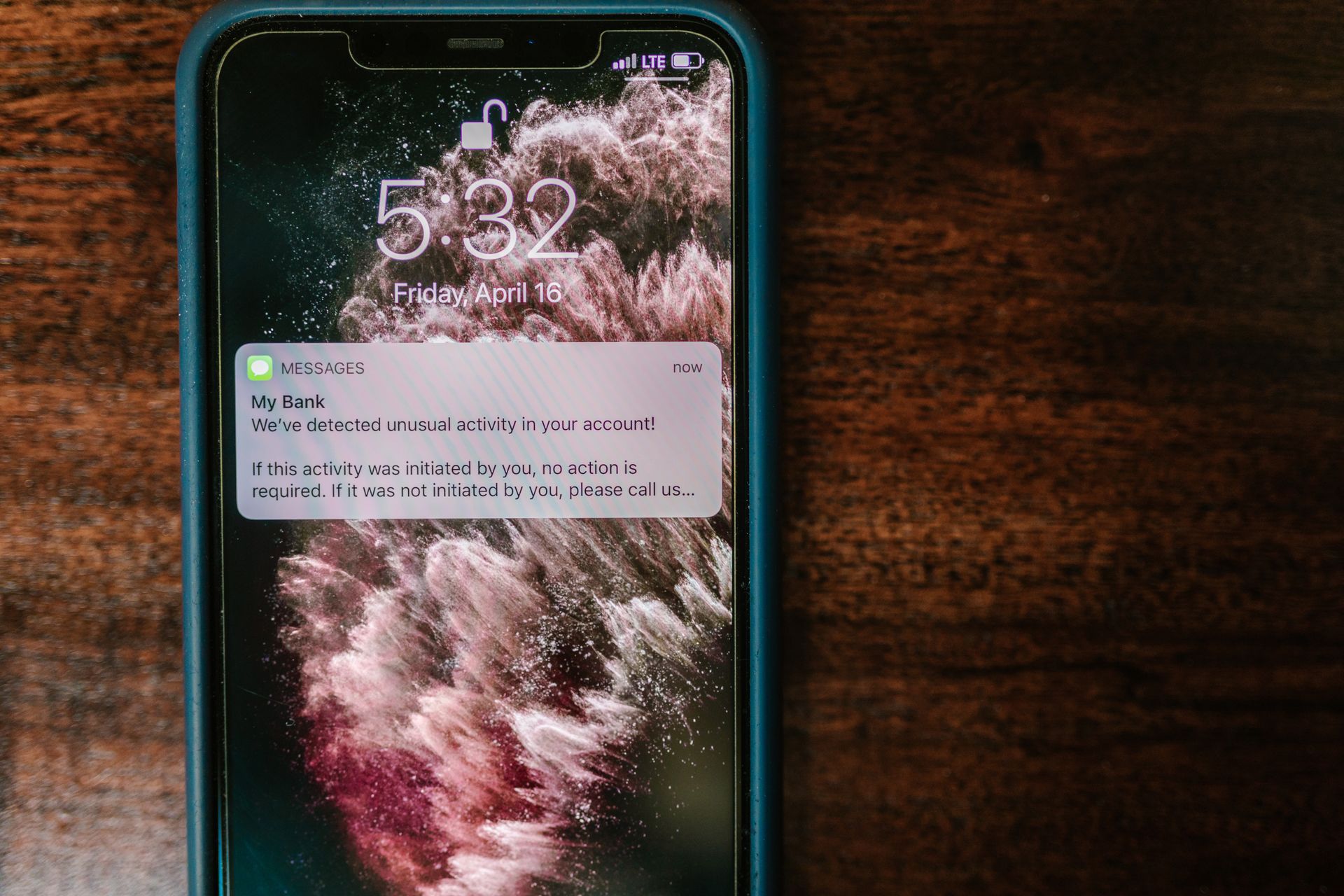
October is Cybersecurity Awareness Month, and for anyone buying or selling a home, one threat deserves special attention: wire fraud.
Buying a home is often the largest financial transaction of your life, and much of it happens over email, text, and electronic transfers. That makes it a prime target for scammers. According to the FBI’s 2025 Internet Crime Report, real estate fraud losses reached $275 million in 2025, up from $173 million the year before, with more than 12,000 complaints filed.
The good news? Most wire fraud is preventable when you know what to look for.
How Real Estate Wire Fraud Works
The most common scheme is simple. A criminal gains access to, or closely imitates, the email account of someone involved in your transaction, such as an agent, lender, escrow officer, or title company. They watch the conversation and wait. As closing approaches, they send an urgent, professional-looking email with “updated” wiring instructions. The money goes to the criminal’s account, and once it’s gone, it can be very difficult to recover.
These scams are getting more convincing. The FBI notes that criminals are now using AI tools to write polished emails and even clone voices on phone calls.
Red Flags to Watch For
- Last-minute changes to wiring instructions, especially by email or text
- Pressure to act immediately (“Funds must be sent today or you’ll lose the house”)
- Email addresses that are slightly off, like an extra letter or a different domain
- Requests to keep things confidential or to skip talking to your agent
- Links or attachments asking you to log in to view documents
7 Ways to Protect Yourself
- Verify wiring instructions by phone before sending money. Use a phone number you confirmed at the start of your transaction, never one listed in an email.
- Treat any change in instructions as a red flag. Stop and verify before acting.
- Ask about wiring procedures early. Know how your escrow or title company will share instructions so you can spot anything unusual.
- Confirm receipt by calling right after you send funds.
- Use strong, unique passwords and turn on two-factor authentication for your email and bank accounts.
- Avoid public Wi-Fi when viewing financial documents.
- Never share sensitive details like account numbers or your Social Security number over email.
What to Do If You Suspect Fraud
Time matters. If you believe you’ve sent money to the wrong account:
- Call your bank immediately and ask them to recall or freeze the wire.
- Contact your escrow or title company using a verified phone number.
- File a report with the FBI’s Internet Crime Complaint Center at ic3.gov.
Quick reporting can make a real difference. In 2025, the FBI’s Recovery Asset Team froze about 58% of the attempted thefts reported to it.
You Don’t Have to Navigate It Alone
A secure transaction starts with a trusted team. If you’re planning to buy or sell, or you just want a second set of eyes on an email that doesn’t seem right, reach out to me. AARE is here to help you move forward with confidence.