
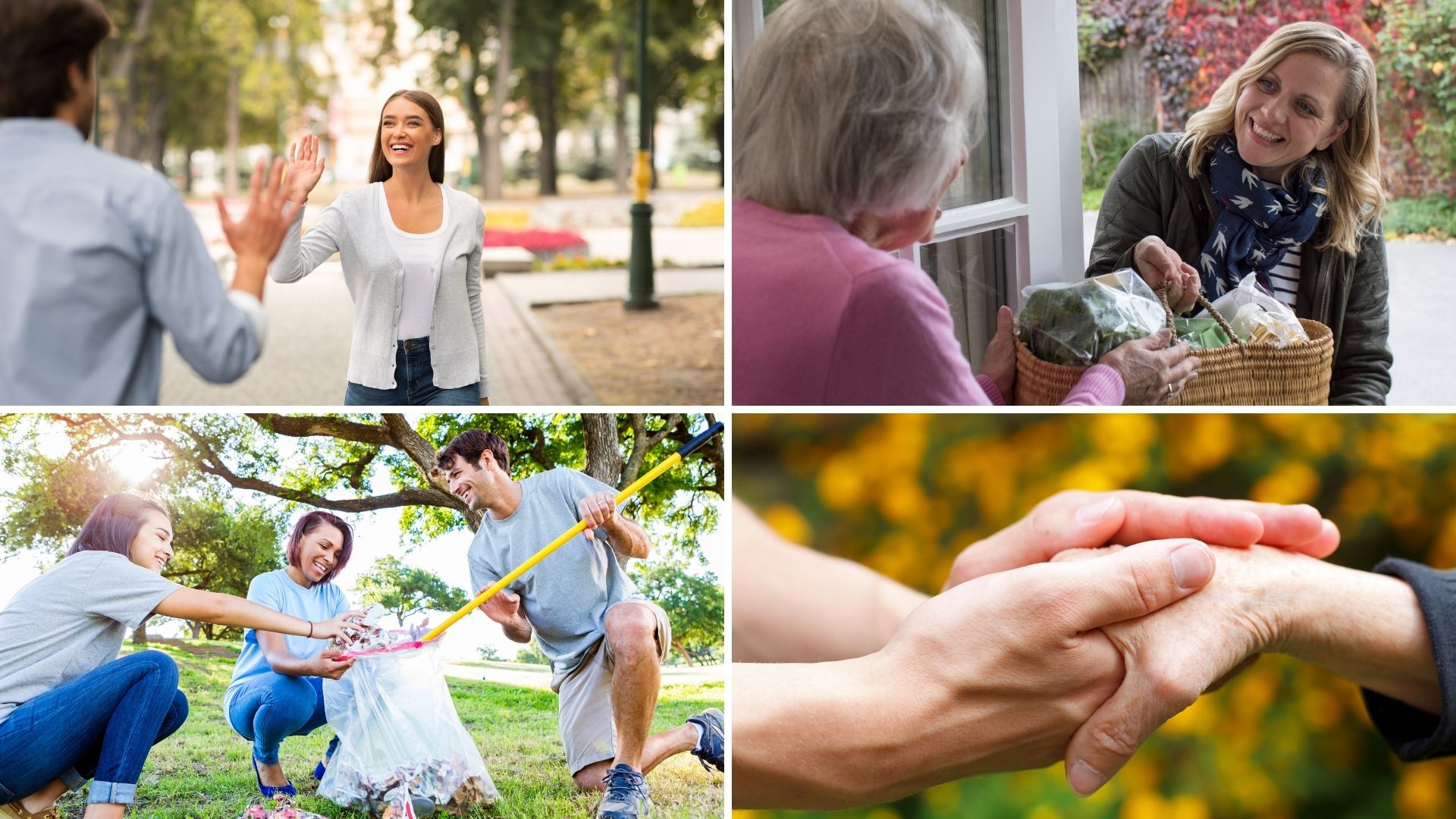
For a long time, the idea of “neighborhood” faded into the background. Homes became more private, schedules more packed, and daily life more digital. But in recent years, especially after the COVID era subsided, something has shifted.
People are craving connection again, not just inside their homes, but just outside their front doors.
Neighborhood connection has quietly become one of the most meaningful parts of how we experience where we live.
Home Is More Than Four Walls
A home can be beautiful, functional, and well-designed, yet still feel incomplete without a sense of belonging beyond it.
Neighborhood connection adds context to home life. It shows up in small moments: familiar faces on evening walks, casual conversations, shared routines, and the feeling that you are recognized, not just occupying space.
Those everyday interactions build something deeper than convenience. They create grounding.
Humans Are Wired for Local Connection
Our brains evolved around close-knit environments. Familiar people, predictable patterns, and shared spaces signal safety and stability.
When neighbors know one another, even casually, it reduces stress. It creates a sense of watchfulness and care that no security system can replace. Knowing who belongs and who doesn’t, who needs help, and who to check in on builds trust over time.
Digital Life Made Physical Connection More Valuable
Technology has made communication easier, but it has also made physical presence rarer. Many people now work, shop, and socialize online.
That makes neighborhood connection more important, not less. Face-to-face interactions—however brief—ground us in the present. They remind us that we are part of a living, breathing community.
A wave, a nod, or a short conversation can quietly counter isolation in ways digital interaction cannot.
Neighborhoods Shape Daily Well-Being
Connection influences how safe, relaxed, and supported people feel in their environment. When neighborhoods feel connected, people tend to spend more time outside, walk more, and engage with their surroundings.
Children play more freely. Adults feel less rushed. Even stress levels can shift when people feel known where they live.
How Neighborhoods Support Transitions and Challenges
As life evolves—new families, growing children, aging parents, changing careers—neighborhood connection becomes a steady presence.
Support doesn’t always come from formal relationships. Sometimes it comes from neighbors who notice changes, offer help, or simply understand your rhythm of life because they share it.
Strong neighborhood connections also create resilience during challenges, from personal hardships to broader disruptions. People are more likely to share resources, check in on one another, and adapt together.
What Connection Looks Like Today
Modern neighborhood connection looks different than it once did. It is not about constant socializing or knowing everyone deeply.
It looks like:
- Feeling comfortable being outside your home
- Recognizing familiar faces
- Trusting your surroundings
- Having a sense of shared care
These small signals add up to a strong foundation.
Why It Matters Now
In a fast-moving, often fragmented world, neighborhood connection offers something rare: continuity.
It anchors daily life. It creates belonging without performance. It allows people to feel part of something real, close, and enduring.
And more than ever, people are realizing that where they live is not just about the home itself, but about the community that surrounds it.