
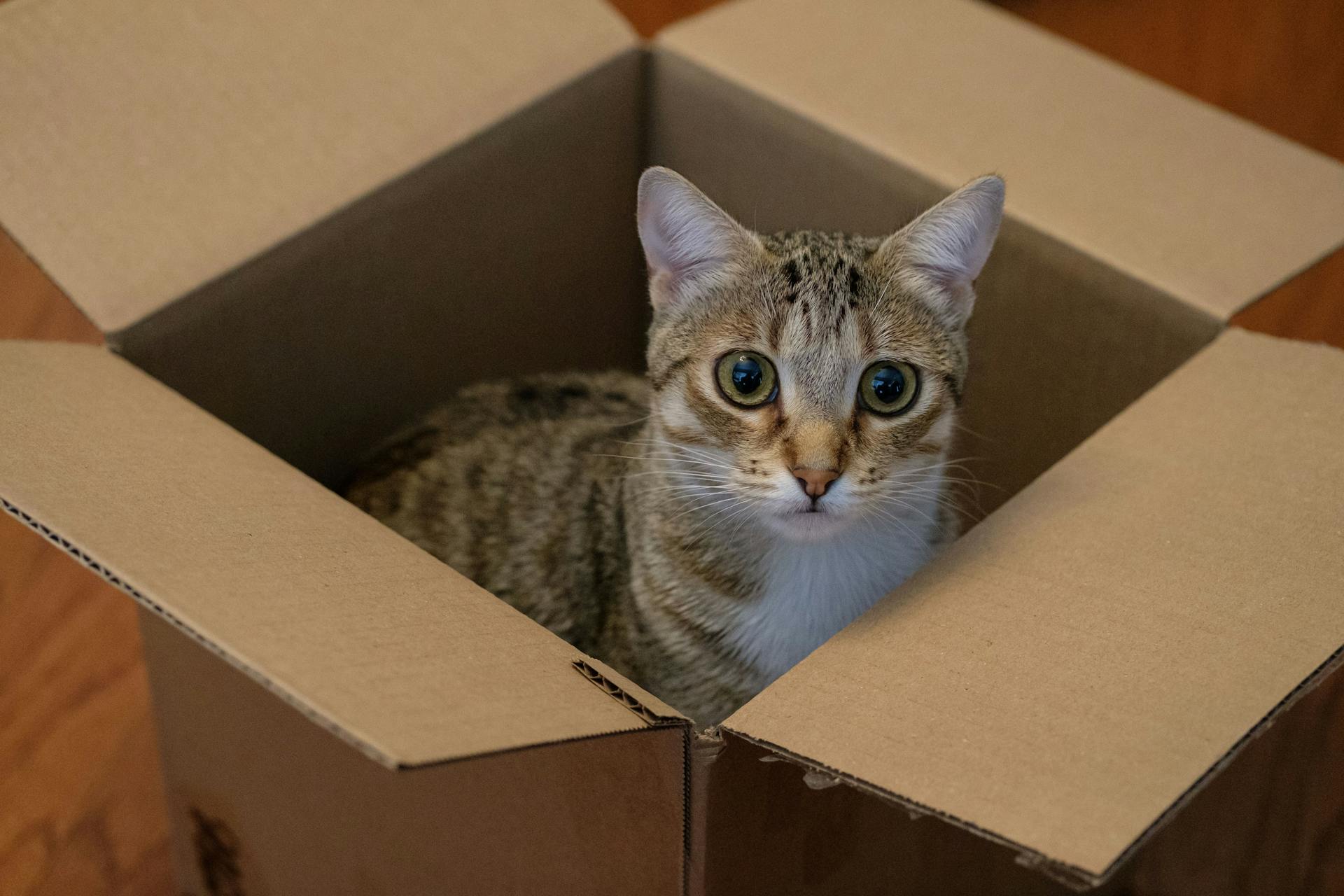
Moving is one of the most significant life events for humans, but for our pets, it can be a source of profound confusion. Pets are territorial by nature and thrive on the predictability of their environment. When the boxes come out and the furniture disappears, their sense of security often goes with it.
To ensure your four-legged family members arrive at your new home happy and settled, follow this guide to managing the psychological and practical side of a move.
The Power of “Scent-Swapping”
For dogs and cats, a new house doesn’t feel like home until it smells like home. You can reduce their transition anxiety by using “scent-swapping” to bridge the gap between your old space and the new one.
- The Prep: A few days before the move, take a clean towel and rub it over your pet to collect their scent. If you have access to the new home, rub a second towel along the baseboards or doorways of the new space.
- The Swap: Place the towel that smells like your pet in a prominent room of the new house before they arrive. This creates an immediate “safe zone” of familiar scent. Simultaneously, let your pet sniff the towel from the new house while they are still at the old one. This “scent introduction” helps the new environment feel less like an alien space the moment they walk through the door.
Update the Microchip on “Day Zero”
One of the most common moving-day mishaps is a pet slipping out of a propped-open door while movers are busy. In an unfamiliar neighborhood, a lost pet won’t know how to find their way back.
- The Digital Move: Do not wait until you are settled to update your contact information. Update your pet’s microchip registry and collar tags the day you get your keys—or even the day before.
- The Tech Edge: Modern microchip registries allow for instant digital updates. Ensure your current cell phone number and your new address are active in the system before the first box enters the house. If your pet is lost in a new neighborhood, a microchip with an old address is significantly less helpful.
Maintain the “Anchor” Routine
Amidst the chaos of packing and unpacking, your pet’s schedule is their only anchor to reality.
- Consistency is Key: Try to feed them, walk them, and play with them at the exact same times you always have. Even if you are eating pizza on a packing box, their bowl should be in a similar spot on its usual schedule.
- The “Safe Room” Strategy: On moving day, designate one quiet room in the new house as the “Pet Suite.” Fill it with their bed, water, and favorite toys, and keep the door closed while furniture is being moved. This prevents sensory overload and keeps them out of the path of heavy lifting.