
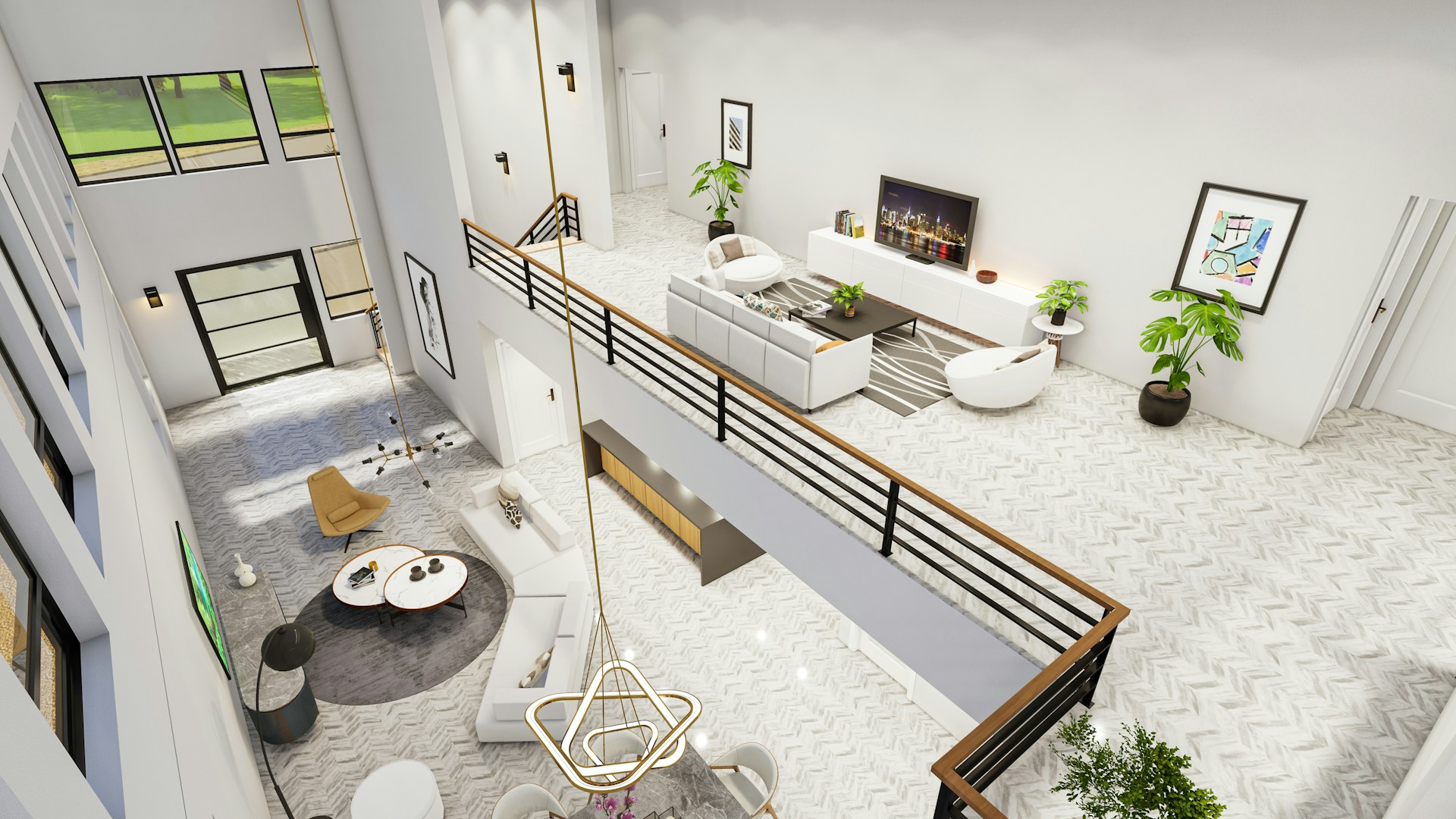
The real estate conversation has changed dramatically over the last decade. While fundamentals like location, price, and condition still matter, today’s buyers approach homeownership with a very different mindset than buyers did ten years ago.
These shifts are shaped by technology, lifestyle changes, economic realities, and evolving values. Understanding what matters now helps homeowners, buyers, and sellers make smarter, more informed decisions.
Flexibility Over Formality
Ten years ago, buyers often looked for clearly defined rooms: a formal dining room, a separate living room, and a rigid layout. Today’s buyers prioritize flexibility.
Homes that adapt to real life—work, family, hobbies, and downtime—are more appealing than homes designed around outdated norms. Spaces that can function as a home office, guest room, workout area, or creative space carry more value than rooms with a single purpose.
Daily Function Matters More Than Size
Bigger no longer automatically means better. Many buyers today focus less on total square footage and more on how well a home supports everyday routines.
Efficient layouts, storage that actually works, natural light, and thoughtful flow between spaces often matter more than having extra rooms that go unused. Buyers are asking how a home feels to live in, not just how it looks on paper.
Technology Is Expected, Not a Bonus
A decade ago, smart features were a novelty. Today, buyers expect a home to support modern technology.
Reliable connectivity, smart security features, energy monitoring, and systems that integrate easily into daily life are now part of the baseline. Homes that accommodate remote work, virtual learning, and digital living are more aligned with how people live today.
Energy Awareness and Efficiency
Today’s buyers are more informed about ongoing ownership costs than previous generations. Energy efficiency, insulation quality, and utility performance are part of the conversation early on.
This isn’t just about sustainability; it’s about predictability. Buyers want homes that feel manageable and efficient long after move-in, not ones that bring surprise expenses.
Lifestyle Fit Over Status
Ten years ago, buying a home was often tied closely to milestones and status. Today, buyers are more focused on alignment.
They are asking questions like:
- Does this home support how I actually live?
- Does the neighborhood fit my pace and priorities?
- Will this space still work as life changes?
Homes are being evaluated as long-term environments, not just achievements.
Long-Term Thinking Has Shifted
Previous generations often bought with the expectation of upgrading again in a few years. Many of today’s buyers are more cautious and intentional.
They think about adaptability, longevity, and how a home will serve them through different life phases. Stability, flexibility, and resilience matter more than speed.
What This Shift Means for Homeowners and Buyers
These changes do not mean one generation is “right” and another is “wrong.” They simply reflect how life, work, and priorities have evolved.
For homeowners, understanding these shifts can help frame decisions about improvements, upkeep, and long-term planning. For buyers, recognizing these trends helps clarify what truly matters versus what no longer serves their lifestyle.