
Can San Diego Homeowners Transfer Their Property-Tax Base? A Practical Proposition 19 Overview

For many longtime San Diego homeowners, moving involves more than comparing sale prices and mortgage payments. A new purchase may also trigger questions about property-tax reassessment. California Proposition 19 may allow certain homeowners to transfer the taxable value of their current primary residence to a replacement primary residence anywhere in California. For homeowners with a low Proposition 13 assessed value, this benefit may significantly affect the ongoing cost of moving. The rules are detailed, however, and the transferred amount is not always identical to the tax bill on the original home. Eligibility, timing, property values, ownership, occupancy, and filing requirements all matter. This overview explains the basic framework, but homeowners should obtain property-specific guidance from the county assessor and qualified tax or legal professionals before making a decision. Who May Qualify? Proposition 19’s base-year value transfer may be available to a homeowner who is: For an age-based claim, at least one qualifying homeowner must generally be 55 or older when the original primary residence is sold. The original and replacement properties must also meet applicable ownership and principal-residence requirements. This article focuses primarily on homeowners age 55 and older. Disability and disaster claims involve additional documentation and should be reviewed separately. What Does Proposition 19 Transfer? Proposition 19 transfers the original residence’s eligible factored base-year value—not the property-tax rate itself. A factored base-year value is generally the property’s taxable value after permitted annual adjustments and other applicable changes. It may be substantially lower than the home’s current market value when the property has been owned for many years. The replacement residence then receives a new taxable value calculated under Proposition 19 rules. The owner will still pay the local tax rate, assessments, bonds, and other charges that apply to the replacement property. The Replacement Home Can Be Anywhere in California One of Proposition 19’s significant changes is that a qualifying homeowner may transfer an eligible base-year value to a replacement primary residence located in any California county. A San Diego homeowner could therefore sell a principal residence locally and purchase a qualifying replacement in another part of California. A homeowner moving into San Diego from another California county may also be eligible. The claim is filed with the assessor in the county where the replacement property is located. The Two-Year Timing Rule The replacement primary residence generally must be purchased or newly constructed within two years before or after the sale of the original primary residence. That means a qualifying homeowner may buy first and sell later, or sell first and buy later, provided the applicable transactions occur within the required two-year period. Although the window provides flexibility, homeowners should confirm how the dates, occupancy, and filing requirements apply to their specific transaction. What Happens When the Replacement Home Costs Less? When the replacement property’s full cash value is equal to or less than the qualifying value of the original residence, the original eligible base-year value may generally transfer without an additional value adjustment. For example, assume a homeowner’s original residence has: If the homeowner purchases a qualifying replacement residence valued within the applicable permitted amount, the replacement home may receive a taxable value based on the transferred $350,000 factored base-year value, subject to final assessor review. The owner’s actual tax bill will also reflect the tax rate and assessments applying to the new property. What Happens When the Replacement Home Costs More? Proposition 19 also allows a transfer when the replacement property is more valuable than the original residence. In that situation, the difference between the replacement property’s value and the original property’s qualifying value is generally added to the transferred base-year value. As a simplified example, assume: The $200,000 difference may be added to the transferred $350,000 base-year value, producing an estimated new taxable value of $550,000. This is only an illustration. The assessor determines the relevant values and final taxable assessment. How Many Times Can the Benefit Be Used? Qualifying homeowners may generally use a Proposition 19 base-year value transfer up to three times. This is broader than prior California rules that generally limited many eligible homeowners to one transfer. Transfers related to qualifying wildfire or natural-disaster circumstances may be subject to different treatment. Both Homes Must Be Principal Residences The original property must generally be the claimant’s principal residence, and the replacement property must become the claimant’s principal residence. A vacation home, second home, or property held primarily as a rental generally will not satisfy the principal-residence requirement merely because the owner holds title. Homeowners may also need to qualify for or file a homeowners’ exemption on the replacement property as part of documenting principal-residence use. The San Diego County Assessor currently identifies the homeowners’ exemption as a separate primary-residence property-tax benefit. Ownership Details Matter Ownership structure can affect eligibility. Questions may arise when: These situations should be reviewed before title transfers or contracts are finalized. A change in ownership structure can affect who may claim the benefit and which base-year value is available. Proposition 19 Is Not Automatic The benefit does not automatically follow the homeowner to the replacement residence. The claimant must submit the appropriate application and supporting documents to the assessor for the county where the replacement home is located. For a San Diego County replacement residence, the San Diego County Assessor provides a Senior Reappraisal Exclusion Application for qualifying transfers occurring on or after April 1, 2021. Required information may include: Incomplete or inconsistent filings may delay processing. Do Not Assume the Benefit Will Appear Immediately Assessment processing can take time, particularly when the original and replacement properties are in different counties. The replacement property may initially be assessed at its current market value, followed by an adjustment after the claim is approved. That can affect supplemental tax bills, escrow calculations, and cash-flow planning. Homeowners should retain funds for possible interim tax obligations and should not assume that a lender’s initial escrow estimate reflects the final Proposition 19 assessment. Proposition 19 and Family Transfers Are Different Issues Proposition 19 also changed
Thinking About a Second Home? Calculate More Than the Mortgage

A second home can provide a place to gather with family, spend more time in a favorite destination, work remotely, or create a long-term connection to another community. It can also become one of the household’s largest ongoing financial commitments. Buyers often begin by comparing the purchase price, down payment, interest rate, and monthly mortgage payment. Those figures are important, but they do not represent the full cost of owning another property. A second home may also require property taxes, specialized insurance, homeowners association dues, utilities, routine maintenance, travel, furnishings, security, repairs, and professional management. If the owner intends to rent the property, additional tax, insurance, legal, licensing, and operational considerations may apply. Before making an offer, buyers should prepare a complete ownership budget and evaluate whether the property supports both their financial goals and the way they expect to use it. Define What “Second Home” Means for You The phrase “second home” can describe several different ownership plans. A buyer may be purchasing: The intended use affects financing, insurance, taxes, association rules, local regulations, and operating costs. A property purchased primarily for personal use may be treated differently from an investment property. A home rented only occasionally may also be treated differently from one marketed to tenants throughout the year. Buyers should describe their intended use accurately to lenders, insurers, tax professionals, associations, and local authorities. Start With the Complete Monthly Housing Cost The mortgage principal-and-interest payment is only one part of the monthly obligation. A complete second-home budget may include: Some costs are predictable. Others may vary by season, weather, occupancy, or property condition. The buyer should calculate both an average monthly cost and the amount that may be required during a high-expense month. Second-Home Financing May Differ From Primary-Residence Financing Mortgage programs commonly distinguish among primary residences, second homes, and investment properties. A lender may apply different requirements for: The lender may also require the borrower to demonstrate that the property qualifies as a second home under the applicable loan program. For certain conventional financing, a second home generally must be a one-unit dwelling, suitable for year-round occupancy, occupied by the borrower for part of the year, and under the borrower’s exclusive control. A property operated mainly as a rental or subject to an agreement that gives a management company control over occupancy may not qualify as a second home for financing purposes. Loan requirements vary, so buyers should obtain property-specific guidance before assuming that primary-home terms will apply. Expect the Lender to Review Both Properties A buyer who already owns a primary residence may need to qualify while carrying both properties. The lender may evaluate: Additional reserve requirements may apply when a borrower owns more than one financed property. The amount required can vary by lender, loan program, property use, and number of financed homes. A buyer should ask not only whether the loan can be approved, but also how much cash should remain available after closing. A Larger Down Payment Can Reduce More Than the Loan A larger down payment may reduce the mortgage balance and monthly principal-and-interest payment. Depending on the loan structure, it may also: However, putting more money into the property reduces the buyer’s available liquidity. Second homes often require immediate spending after closing for furniture, repairs, supplies, travel, utility deposits, or safety improvements. The buyer should balance the down payment against the need for adequate reserves. Property Taxes May Be Different From What the Seller Pays The seller’s current tax bill may not represent what the buyer will owe after the purchase. A change in ownership may lead to reassessment under state or local rules. The buyer may also lose exemptions or tax benefits available to the seller. Potential differences may involve: A property used as a second home may not qualify for benefits reserved for a primary residence. Buyers should obtain a realistic post-purchase estimate from the appropriate taxing authority or qualified tax professional rather than relying only on the listing or seller’s current bill. Insurance Can Be More Complex Insurance needs may differ significantly for a second home. An insurer may consider: A home that is unoccupied for extended periods may face increased risk from water leaks, fire, theft, vandalism, frozen pipes, or unnoticed damage. The policy may require regular inspections, monitored security, temperature controls, water-shutoff devices, or local caretaking. Buyers should disclose the intended occupancy and rental use accurately. A standard owner-occupied policy may not cover every second-home or rental scenario. Hazard-Specific Coverage May Be Separate The property’s location may create a need for coverage beyond a standard homeowners policy. This may include: Some hazards may be excluded from the primary policy or subject to separate deductibles. A percentage-based wind or hurricane deductible can create a significant out-of-pocket expense because it is often calculated using the insured value of the dwelling rather than the amount of the claim. Buyers should understand every deductible, exclusion, and coverage limit before determining whether the property is affordable. Homeowners Association Dues May Cover Less Than Expected Condominiums, townhomes, resort communities, and planned developments often include one or more associations. Dues may support: Buyers should review what the association does and does not maintain. An association may maintain common landscaping while leaving the owner responsible for windows, balconies, roofs, utilities, or portions of the exterior. The buyer should also investigate: A property with modest dues can still create significant exposure if the association has inadequate reserves or major deferred maintenance. Special Assessments Can Change the Economics An association may levy a special assessment when regular dues and reserves are insufficient for a major expense. Possible projects include: A current owner may know of an approved or proposed assessment that has not yet appeared in the monthly dues. Buyers should review association meeting minutes, budgets, reserve studies, financial statements, insurance information, and notices. The purchase agreement should address responsibility for assessments according to local practice and contract terms. Utilities Continue When the Home Is Empty An unused home does not have zero operating
Builder Incentives Can Be Valuable—But Buyers Should Compare the Full Deal
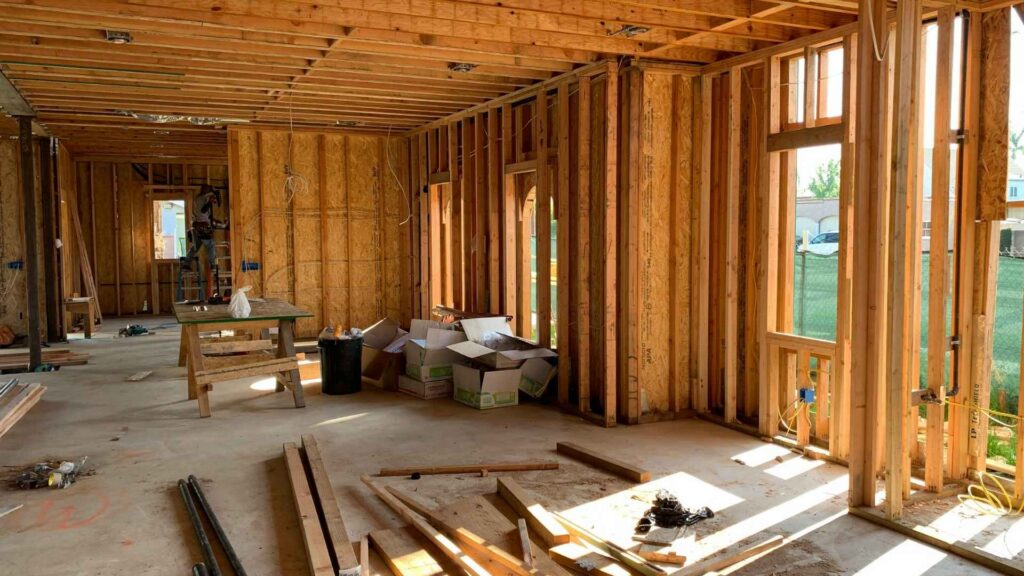
New-construction advertisements often feature incentives designed to capture a buyer’s attention. A builder may promote a reduced mortgage rate, money toward closing costs, an upgrade package, a temporary payment buydown, or a discounted price on selected homes. Some offers can provide meaningful value, particularly when they reduce the buyer’s upfront cash needs or monthly housing expense. However, the largest advertised incentive does not always create the best overall transaction. An incentive may be available only on certain homes, require the buyer to use an affiliated lender or title company, expire before construction is complete, or be incorporated into a higher purchase price. The financing may also include discount points, fees, or terms that should be compared with outside options. Before choosing a builder, homesite, or lender, buyers should evaluate the full deal: purchase price, financing, upgrades, taxes, homeowners association costs, inspections, warranties, timeline, and long-term ownership expenses. What Is a Builder Incentive? A builder incentive is a financial or property-related benefit offered to encourage a buyer to purchase a newly constructed home. Common incentives include: The amount and structure may vary by community, homesite, construction stage, lender, and closing deadline. Some incentives are offered by the builder. Others may come from an affiliated mortgage lender, title company, or combination of parties. Buyers should ask for every incentive and condition in writing. Start With the Base Price The advertised starting price may not represent the final cost of the home shown in marketing materials or the model center. A base price generally applies to a specific floor plan with standard features. The final purchase price may increase because of: A model home often includes numerous upgrades intended to demonstrate what is available rather than what is included. Before comparing an incentive, buyers should identify the home’s actual price after required premiums and selected options. A $20,000 incentive may be less meaningful if the chosen configuration costs substantially more than expected. Understand the Difference Between a Price Reduction and a Credit A price reduction lowers the contracted purchase price. A builder credit provides money that may be applied toward eligible expenses, subject to contract terms, lender requirements, and financing limits. A credit may help pay for: The buyer may not receive unused credit as cash. If the available credit exceeds the buyer’s eligible costs, part of the incentive may go unused unless another permitted application is negotiated. Buyers should ask the lender to show exactly how the credit will appear on the Loan Estimate and Closing Disclosure. Temporary Mortgage Rate Buydowns A temporary buydown reduces the buyer’s initial principal-and-interest payments for a limited period. One common structure is a 2-1 buydown. Under a typical arrangement, the payment during the first year is calculated as though the interest rate were two percentage points below the note rate. The second-year payment is calculated as though the rate were one percentage point lower. The buyer begins making the full payment based on the note rate in the third year. The mortgage rate stated in the loan documents does not necessarily change during this period. Funds placed into a designated account subsidize part of the scheduled payments. A temporary buydown may help a buyer transition into the full payment, but the buyer should be comfortable with the amount due after the subsidy ends. The buyer should not rely on an assumption that refinancing will be available before the payment increases. Future rates, credit, income, property value, and loan requirements cannot be guaranteed. Permanent Mortgage Rate Buydowns A permanent buydown generally uses discount points or another approved financing structure to obtain a lower interest rate for the life of the loan. One discount point generally equals 1% of the loan amount. The rate reduction associated with that cost is not fixed and may vary by lender, borrower, loan program, market conditions, and rate-lock date. A permanent buydown can create long-term savings when the buyer keeps the mortgage long enough to recover the upfront cost. The buyer should calculate the approximate break-even period by comparing: A lower rate may be valuable, but it should not be evaluated separately from fees, points, annual percentage rate, and total loan costs. Compare the Builder’s Lender With Outside Lenders A builder may condition its most attractive incentive on the buyer using an affiliated or preferred lender. That lender may offer a competitive package. The buyer should still compare it with other loan options. The Consumer Financial Protection Bureau recommends comparing Loan Estimates for the same loan type and using consistent assumptions about points and credits. This helps buyers distinguish between a genuinely lower-cost loan and one that appears attractive because its costs are structured differently. Request written Loan Estimates and compare: An outside lender may offer a lower rate but no builder credit. The affiliated lender may offer a larger credit but charge more in points or fees. The best option is the one that serves the buyer’s financial goals after all costs are considered. Ask Whether the Rate Is Locked An advertised mortgage rate may be based on specific assumptions and may not be locked when the buyer signs the purchase agreement. This matters because new construction can take months to complete. Buyers should ask: A financing incentive tied to a short rate-lock period may offer less certainty on a home that will not be completed for several months. Quick-Move-In Homes May Have Different Incentives Builders sometimes offer stronger incentives on completed or nearly completed homes. These properties are often called quick-move-in, inventory, or spec homes. A builder may be more motivated to sell a completed property because it is carrying the cost of the land, construction, financing, taxes, utilities, insurance, and maintenance. A quick-move-in home may offer: The tradeoff is that buyers may have limited ability to select finishes, structural options, or the homesite. The buyer should inspect the actual home and confirm which features are included in the contract. Upgrade Credits Need Careful Review An upgrade allowance can be appealing, but its value depends on what the buyer
Buy First or Sell First? How Homeowners Can Plan Their Next Move

Moving from one home to another creates a question that first-time buyers rarely face: Should you buy your next home before selling your current property, or sell first and purchase afterward? Both approaches can work. Buying first may provide greater control over where you move and reduce the pressure to find a replacement property quickly. Selling first may provide a clearer budget and eliminate the financial risk of owning two homes at the same time. The right sequence depends on your finances, local market conditions, available inventory, tolerance for uncertainty, and the contractual options available in each transaction. Before listing a home or submitting an offer, homeowners should compare the risks, costs, and practical consequences of both strategies. Why the Order of the Transactions Matters Buying and selling are separate transactions, even when they are intended to occur at approximately the same time. Each transaction may involve its own: A delay or problem in one transaction may affect the other. For example, a buyer purchasing your current home may experience a financing delay. If you are relying on that sale to fund the purchase of your next home, the delay could affect your down payment or closing date. Similarly, a problem with the home you plan to purchase could leave you selling your current property without a confirmed place to move. Careful planning cannot eliminate every risk, but it can help prevent one transaction from creating unnecessary pressure in the other. Option 1: Buy the Next Home Before Selling Buying first means completing—or at least placing under contract—the purchase of your next property before the sale of your existing home is complete. This approach can be appealing when finding the right replacement home is the homeowner’s highest priority. It may allow you to move once, prepare the old home for sale after it becomes vacant, and avoid accepting a property simply because your current home has already sold. However, buying first usually requires greater financial flexibility. Potential Advantages of Buying First Buying before selling may offer several practical benefits. More time to find the right home: You may search without the immediate pressure of a closing date on your current property. A stronger position when selecting a home: You may be able to wait for a property that fits your location, size, condition, and budget requirements. A simpler move: You may move directly into the new home instead of arranging temporary housing. More control over preparing the old home: Once vacant, the existing property may be easier to paint, repair, clean, stage, photograph, and show. Fewer occupancy complications: You may avoid negotiating a post-closing occupancy or rent-back arrangement with the buyer of your current home. Less risk of settling for the wrong property: Without an immediate deadline, you may be less likely to compromise on important needs. These advantages can be meaningful, especially in markets where desirable homes are limited. Potential Risks of Buying First The primary concern is financial exposure. Buying first may require you to qualify while still responsible for the current home’s mortgage and related expenses. Depending on the lender and transaction, you may need sufficient income and reserves to carry both properties. Potential risks include: The longer the current property remains unsold, the more expensive the strategy may become. Homeowners should not base the plan solely on an optimistic estimate of how quickly the property will sell. Can You Qualify for Two Mortgages? Some homeowners have enough income and assets to qualify for a new mortgage while retaining the existing one. Others may qualify only if the lender can document an acceptable pending sale of the current residence. Mortgage underwriting standards vary according to the lender, loan program, borrower, and transaction. A lender may evaluate: A preapproval based only on your current situation may not be sufficient. Tell the lender that you plan to buy and sell around the same time so the financing can be evaluated accurately. Using a Bridge Loan A bridge loan is short-term financing that may help a homeowner purchase the next property before the current home is sold. The loan may be secured by the existing property, the new property, or another approved structure. The funds may be used toward the down payment or closing costs on the new home. Bridge financing can provide flexibility, but it also creates another debt obligation. Before using a bridge loan, review: A bridge loan should not be treated as free access to equity. The homeowner is borrowing against expected future proceeds and must be prepared if the sale takes longer or produces less money than anticipated. Using a Home-Equity Loan or HELOC Some homeowners consider using a home-equity loan or home-equity line of credit to help fund the next purchase. A home-equity loan generally provides a specific lump sum secured by the current property. A HELOC generally provides a revolving credit line that allows the homeowner to borrow against available equity. Possible uses may include: These products add debt secured by the current home. They may affect mortgage qualification, net sale proceeds, and monthly obligations. A HELOC may also have a variable interest rate, meaning the payment and borrowing cost can change. Homeowners should discuss the timing carefully with lenders. Obtaining new credit during a mortgage application can affect underwriting, and some lenders may restrict new borrowing once the current home is listed for sale. Buying With a Home-Sale Contingency A buyer who cannot or does not want to carry two homes may submit an offer contingent on selling their existing property. A home-sale contingency generally makes the purchase dependent on the buyer completing the sale of their current home under the terms and deadlines stated in the contract. This can reduce financial exposure, but it may make the offer less attractive to the seller. From the seller’s perspective, a contingent offer introduces another transaction that could delay or prevent closing. The seller may prefer an offer from a buyer whose funds are not dependent on another sale. The competitiveness of a contingent
Assumable Mortgages Explained: When a Low Existing Rate Can Help Sell a Home

A homeowner with a favorable mortgage rate may be holding an asset that extends beyond the property itself. If the existing loan is assumable, an eligible buyer may be able to take over the seller’s remaining mortgage balance, interest rate, repayment period, and certain other loan terms rather than obtaining an entirely new mortgage for that portion of the purchase. When current mortgage rates are higher than the seller’s existing rate, that feature can create a meaningful affordability advantage. It may reduce the buyer’s monthly principal-and-interest payment and help the property stand out from competing listings. However, an assumable mortgage is not a simple transfer of monthly payments. The buyer generally must qualify, the mortgage servicer must approve the transaction, and the parties must determine how the buyer will pay the difference between the remaining loan balance and the purchase price. Buyers and sellers should understand the full process before treating an assumable loan as a guaranteed benefit. What Is an Assumable Mortgage? An assumable mortgage allows a qualified buyer to take over an existing mortgage obligation when purchasing the property securing that loan. Instead of using a new mortgage to finance the entire purchase, the buyer assumes the seller’s outstanding loan balance under the approved terms of the assumption. The assumed loan may allow the buyer to retain important features of the seller’s mortgage, such as: The buyer does not simply inherit every aspect of the seller’s financial arrangement without review. The servicer may evaluate the buyer’s credit, income, assets, debts, occupancy, and ability to repay according to the applicable loan requirements. Which Mortgages May Be Assumable? Government-backed mortgages are the loans most commonly associated with formal assumptions. These may include certain: Eligibility and procedures vary by loan program, loan date, mortgage documents, servicer, and transaction circumstances. Most conventional mortgages contain due-on-sale language that generally allows the lender to require repayment when ownership changes. Some conventional loans may permit an assumption in limited circumstances, but buyers and sellers should not assume that a conventional loan can be transferred. The seller should contact the mortgage servicer early and request written information about whether the loan is assumable and what the process requires. Why a Low Existing Rate Can Be Valuable The principal attraction of an assumable mortgage is often the seller’s existing interest rate. Suppose a seller has a fixed-rate mortgage at 3.5%, while a similar new mortgage is available to the buyer at a substantially higher rate. Assuming the lower-rate loan could reduce the buyer’s monthly principal-and-interest payment on the assumed balance. The potential savings depend on: A low interest rate can be valuable, but the buyer should evaluate the complete transaction rather than comparing rates alone. The Buyer Must Address the Seller’s Equity An assumable mortgage generally covers only the unpaid balance of the seller’s existing loan. It does not automatically finance the full purchase price. For example, assume a home is being sold for $550,000 and the seller has an assumable mortgage with a remaining balance of $350,000. The buyer must determine how to cover the $200,000 difference between the purchase price and the assumed loan balance. This difference is sometimes called the equity gap. The buyer may use: Secondary financing may carry a higher interest rate than the assumed first mortgage. It may also affect qualification, monthly affordability, lien priority, and closing costs. A buyer should obtain a complete financing analysis before concluding that an assumption will be less expensive than a new mortgage. The Buyer Still Has to Qualify An assumable mortgage does not normally allow a buyer to bypass financial review. The servicer may require an application and documentation similar to what is required for another mortgage transaction. Depending on the program and circumstances, the review may include: The buyer should not make plans based solely on the seller’s current payment. Taxes, insurance, mortgage insurance, homeowners association dues, and secondary financing can materially change the buyer’s total monthly housing expense. VA Loan Assumptions Require Special Attention A VA-guaranteed mortgage may be assumable by a qualified buyer with the required approval. The person assuming the loan is not always required to be a veteran, but the transaction can affect the original veteran borrower’s liability and VA loan entitlement. Two concepts are especially important for a VA seller: Release of liability: The seller should confirm that the approved assumption releases the seller from personal liability for the mortgage obligation. Transferring the property without an effective release could leave the original borrower exposed if future payments are not made. Substitution of entitlement: A qualified veteran buyer may be able to substitute their VA entitlement for the seller’s entitlement. When that does not occur, the seller’s entitlement may remain tied to the assumed loan until the loan is paid off, refinanced, or otherwise resolved under VA requirements. A veteran seller who expects to use VA financing again should speak with the servicer and an experienced VA loan professional before accepting an offer based on assumption. FHA Loan Assumptions Certain FHA-insured mortgages may also be assumable, subject to FHA rules and servicer approval. The buyer may need to demonstrate creditworthiness and the ability to meet the mortgage obligation. The servicer may require an assumption application, income documentation, credit review, and payment of allowable fees. The buyer should also evaluate the mortgage-insurance obligations attached to the existing FHA loan. A favorable interest rate may be appealing, but mortgage-insurance premiums can affect the overall cost. The seller should confirm that the approved transaction includes an appropriate release from future liability. USDA Loan Assumptions Some USDA loans may be transferred through an approved assumption process. Depending on the loan and the buyer’s qualifications, the assumed terms may not always remain exactly the same. Program eligibility, income limits, property requirements, occupancy rules, and available financing can affect the transaction. Buyers and sellers considering a USDA assumption should obtain loan-specific guidance from the current servicer or the appropriate USDA housing office. An Assumption Is Not the Same as Buying “Subject To” the Mortgage
Low Appraisal, High Stakes: What Buyers and Sellers Can Do Next

A home appraisal can become a pivotal moment in a real estate transaction. When the appraised value supports the purchase price, the financing process may continue without significant disruption. When the appraisal comes in below the agreed-upon price, however, buyers and sellers may suddenly face difficult financial and contractual decisions. A low appraisal does not automatically end the sale. It does mean that the parties should understand why the value came in lower, how the lender will respond, and which options may be available under the purchase agreement. With clear communication and a practical negotiation strategy, many appraisal gaps can be resolved. What Is a Home Appraisal? A home appraisal is an independent professional opinion of a property’s value. Mortgage lenders commonly use appraisals to evaluate the real estate being offered as security for a loan. The appraiser may consider factors such as: The appraisal is not a home inspection. An inspector focuses primarily on the condition and operation of the property’s visible systems and components. An appraiser focuses on the property’s estimated market value for the lending assignment. What Does It Mean When the Appraisal Is Low? A low appraisal occurs when the appraiser’s opinion of value is below the purchase price stated in the contract. For example, suppose a buyer agrees to purchase a home for $600,000, but the appraisal reports a value of $575,000. The difference between the contract price and appraised value is a $25,000 appraisal gap. The lender generally bases its financing calculations on the lower of the purchase price or appraised value, subject to the applicable loan program. This does not necessarily mean the buyer cannot purchase the property. It may mean that the buyer must contribute more cash, the seller must reduce the price, the parties must restructure the transaction, or the appraisal must be reviewed. Why Can an Appraisal Come in Below the Purchase Price? A low appraisal can occur for several reasons, and it does not always mean that someone acted improperly. The purchase price may have been influenced by competition, emotional attachment, limited inventory, favorable contract terms, or features that were particularly valuable to the buyer. The appraiser may have relied on recent comparable sales that closed before a rapidly changing market was fully reflected in public data. Other possible factors include: The first step should be to review the appraisal carefully rather than immediately assuming that the value is correct or incorrect. Review the Appraisal Report for Accuracy Buyers are generally entitled to receive a copy of the appraisal or other written valuation associated with a first-lien mortgage application. The buyer, real estate agent, and lender can review the report for information that may affect the valuation. Questions to consider include: A disagreement with the final value alone may not be enough to change the appraisal. A review is more persuasive when it identifies specific errors, unsupported adjustments, missing information, or relevant comparable sales that may warrant consideration. Option 1: The Seller Reduces the Purchase Price One possible solution is for the seller to reduce the purchase price to the appraised value or another mutually acceptable amount. Using the earlier example, the seller could agree to reduce the price from $600,000 to $575,000. This would eliminate the appraisal gap, although the buyer’s final financing would still depend on the lender and loan terms. A seller may consider reducing the price when: A price reduction may be difficult for a seller who needs a specific amount of proceeds or believes that another buyer would pay the original price. Option 2: The Buyer Covers the Appraisal Gap The buyer may agree to contribute additional cash to cover some or all of the difference between the purchase price and the appraised value. This amount is generally in addition to the buyer’s planned down payment and closing costs. For example, if the purchase price is $600,000 and the appraised value is $575,000, the buyer might contribute the $25,000 difference while continuing with financing based on the lender’s approved value and loan-to-value requirements. Before doing so, the buyer should carefully consider: Paying above the appraised value is not automatically a poor decision. An appraisal is an opinion of value rather than a guarantee of the property’s future performance. However, the buyer should understand the financial implications and avoid exhausting necessary reserves simply to preserve the transaction. Option 3: The Buyer and Seller Split the Difference The parties may negotiate a compromise in which the seller reduces the price and the buyer contributes additional cash. If there is a $25,000 appraisal gap, for example, the seller might reduce the price by $15,000 while the buyer covers the remaining $10,000. This can be an effective solution when both parties remain committed to closing but neither can absorb the entire difference. The final structure should be reviewed by the buyer’s lender because a change in price, down payment, concessions, or financing may require updated loan documents or underwriting approval. Option 4: Request a Reconsideration of Value When the appraisal appears to contain an error or may have overlooked relevant information, the borrower may be able to request a reconsideration of value through the lender. A reconsideration of value is a formal process in which the lender asks for the appraisal or valuation to be reviewed based on information supplied by the borrower. Supporting information might include: The borrower, buyer’s agent, or seller should not attempt to pressure or directly influence the appraiser. Questions and supporting documentation should be submitted through the lender’s established process. A reconsideration does not guarantee that the value will change. The appraiser may correct the report, provide additional explanation, adjust the value, or conclude that the original opinion remains supported. What Makes a Reconsideration Request Stronger? A strong reconsideration request is specific, factual, and supported by relevant evidence. Simply stating that the seller needs a higher price or that multiple buyers submitted offers is unlikely to be enough. The request should focus on the property and valuation analysis. Potentially useful information may
Agent Spotlight: Gina Sheets Brings Local Insight, Global Perspective, and Purpose to Arizona East Valley Real Estate

Real estate is often described in terms of properties, prices, and market movement. But for Gina Sheets, Associate Broker with AARE, the work has always been about something deeper: helping people make clear, confident decisions that support their goals, their families, and their future. Serving Arizona’s East Valley, Gina brings a rare combination of local market knowledge, broad development experience, business ownership, and community-minded leadership to every client relationship. Her approach is thoughtful, practical, and deeply personal — shaped by years of helping people, businesses, and communities grow with purpose. A Trusted Real Estate Resource in Arizona’s East Valley Gina serves buyers and sellers across several East Valley and surrounding Arizona communities, including Queen Valley, Florence, Gold Canyon, Queen Creek, Apache Junction, Gilbert, Superior, Globe, Chandler, and Mesa. Her work spans residential real estate, land sales, and manufactured homes, giving her clients a valuable perspective across multiple property types and life stages. For clients looking to buy, Gina helps clarify priorities, compare options, and understand how each decision fits into a larger vision. For sellers, she brings a strategic mindset to positioning, preparation, and negotiation. In every situation, her goal is to help clients move forward with clarity rather than pressure. Experience That Extends Beyond the Transaction Gina’s professional background reaches well beyond traditional real estate. She has worked in development at local, state, national, and international levels, giving her a broad understanding of how housing, land, business, agriculture, and community needs intersect. That experience allows her to see real estate through a wider lens. A home is not just a structure. Land is not just acreage. A real estate decision is often connected to lifestyle, legacy, financial planning, family needs, and long-term opportunity. Gina helps clients evaluate those layers with care and intention. A Global Perspective Rooted in Service Gina and her husband have owned several small businesses, operate a farm in Indiana, and have helped launch nonprofit work in global agriculture development. They also lived outside the United States for five years, where they helped build the number one collegiate School of Agriculture and Agriculture Research Center in Liberia. That global perspective informs the way Gina serves locally. She understands that strong communities are built through trust, collaboration, and wise stewardship. Whether she is helping a client purchase a home, sell a property, evaluate land, or explore manufactured housing options, Gina brings patience, perspective, and a steady commitment to doing what is right for the client. Recognized Performance with a Personal Mission Located in Arizona, Gina was recognized in the state’s top 3% sales for 2023. While that achievement speaks to her work ethic and market capability, what stands out most is her mission-driven approach. As Gina shares, “As your Real Estate representative, I make it my personal goal and mission to help you achieve your Real Estate Goals and Dreams.” That mindset is at the center of her business. Clients working with Gina can expect more than transactional support. They can expect a professional who listens carefully, explains clearly, and treats their goals as the priority. Guidance for Residential, Land, and Manufactured Home Clients Arizona’s East Valley includes a diverse range of real estate opportunities, from established neighborhoods and growing communities to land, rural properties, and manufactured housing. Gina’s experience across these categories helps clients navigate details that can often feel overwhelming. For buyers, that may mean understanding location, property condition, financing considerations, land use, or long-term fit. For sellers, it may mean identifying the right audience, preparing the property for market, and communicating value effectively. Gina’s role is to help clients see the full picture and make informed decisions with confidence. Aligned with AARE’s Commitment to Integrity and Service Gina’s approach reflects the values AARE seeks to bring to every client relationship: integrity, professionalism, generosity, and service. Her work is grounded in helping people make thoughtful real estate decisions while building lasting trust along the way. In a market where clients need both information and wisdom, Gina offers a calm, experienced presence. She understands that buying or selling real estate can be emotional, financial, and deeply personal. Her goal is to make the process smoother, clearer, and more aligned with what matters most to each client. Connect with Gina Sheets For buyers and sellers in Arizona’s East Valley, Gina Sheets offers a blend of local expertise, broad real estate experience, and genuine client care. Whether you are exploring a home purchase, preparing to sell, evaluating land, or considering manufactured housing options, Gina is ready to help you move forward with purpose and confidence. To learn more or connect with Gina, visit her AARE profile or reach out directly through AARE.
Should You Buy Now or Wait? A Practical Guide for Real Estate Decisions in a Shifting Market

One of the most common questions buyers ask in a shifting real estate market is also one of the most personal: should I buy now, or should I wait? It is a reasonable question. Mortgage rates remain higher than many buyers hoped. Home prices have continued to show resilience in many markets. Inventory has improved in some areas, but conditions still vary widely by location, price point, and property type. For buyers, the decision can feel complicated. The truth is that there is no universal answer. The right timing depends less on trying to predict the market perfectly and more on understanding your financial readiness, lifestyle needs, local opportunities, and long-term goals. The Market Has Shifted, But It Has Not Stopped The 2026 housing market is not the same market buyers experienced during the ultra-competitive years of limited inventory and historically low mortgage rates. Today’s buyers are more cautious, more payment-conscious, and more selective. Sellers are also adjusting to a market where pricing and presentation matter more. At the same time, buyer activity has not disappeared. Pending home sales increased in May 2026, and existing-home sales also moved higher. That tells us motivated buyers are still entering the market when they find the right property and the numbers make sense. This is important because waiting is not the same as avoiding risk. Buyers who wait may gain time to save more money or benefit from future rate changes. They may also face stronger competition if rates fall and more buyers re-enter the market. Buyers who act now may have more negotiating room in some markets, but they still need to be comfortable with the payment they accept today. Mortgage Rates Matter, But They Are Not the Only Factor Mortgage rates have a major impact on affordability. A higher rate can change a buyer’s monthly payment, purchasing power, and comfort level. As of June 11, 2026, Freddie Mac reported that the 30-year fixed-rate mortgage averaged 6.52%. That rate environment requires buyers to be disciplined. It is not enough to ask, “What price can I qualify for?” A better question is, “What monthly payment allows me to live comfortably, save consistently, and handle unexpected expenses?” Buyers should also remember that mortgage rates are only one part of the total cost of ownership. Property taxes, insurance, HOA dues, utilities, maintenance, repairs, and future improvements all matter. A home that looks affordable based on principal and interest alone may feel very different once the full monthly cost is considered. Waiting for Lower Rates Has Trade-Offs Many buyers wonder whether they should wait for mortgage rates to fall. That may be a smart choice for some households, especially if the current payment would feel stretched. But waiting also comes with uncertainty. If rates fall meaningfully, buyer demand could increase. More buyers in the market may lead to more competition, faster decisions, fewer concessions, and potentially higher prices in desirable areas. In that case, a lower rate could be partly offset by a higher purchase price or a more competitive buying environment. On the other hand, if rates stay elevated, buyers who wait may gain time to improve their savings, credit profile, and financial confidence. That preparation can be valuable. The key is to wait with a plan, not simply wait out of fear. Improving Inventory Can Create Opportunity One of the more encouraging signs for buyers is improved inventory. In May 2026, NAR reported 1.55 million homes available for sale, representing a 4.5-month supply. More inventory can give buyers greater choice, more time to compare properties, and in some cases, more room to negotiate. However, inventory is highly local. Some communities still have limited supply, especially for move-in-ready homes in desirable price ranges. Other areas may offer more selection, price adjustments, or seller concessions. This is why buyers should avoid making decisions based only on national headlines. A strong local real estate advisor can help answer the questions that matter most: How much competition is there in your price range? Are homes selling above or below list price? Are sellers offering concessions? How long are homes staying on the market? Are prices rising, flattening, or softening in your target area? Buy Now When the Numbers Work Buying now may make sense if your finances are stable, your monthly payment is comfortable, and you have a clear reason to move. This could include a growing family, relocation, a job change, downsizing, a desire for more stability, or a long-term investment in a community. It may also make sense if local inventory gives you options and you can negotiate terms that support your goals. In some markets, buyers may be able to request closing cost credits, repairs, rate buydowns, or other concessions that were harder to secure during more competitive periods. The most important test is whether the purchase works today. A future refinance can be a helpful possibility if rates decline, but it should not be the foundation of the decision. Buyers should be able to afford the home under the terms they accept at closing. Wait When the Payment Feels Too Tight Waiting may be the wiser decision if the monthly payment would create stress, reduce emergency savings too much, or limit your ability to maintain the home. Homeownership can be rewarding, but it also comes with responsibilities that renters may not face, including repairs, maintenance, insurance changes, and unexpected costs. It may also be wise to wait if your employment situation is uncertain, your credit score is likely to improve soon, your debt-to-income ratio is high, or you need more time to save for a down payment and closing costs. Waiting should not be viewed as failure. Sometimes, the best real estate decision is preparation. A stronger financial foundation can lead to better loan options, more confidence, and a healthier ownership experience when the time is right. Think in Years, Not Headlines Real estate headlines change quickly. Rates move. Inventory shifts. Prices vary by market. But the decision to buy a home should
More Inventory, More Choices: How Sellers Can Stand Out in a More Balanced Housing Market

For several years, many sellers benefited from historically tight housing inventory. Buyers had limited choices, well-priced homes often moved quickly, and competition helped support strong seller outcomes in many markets. In 2026, the market is beginning to look different. Inventory has improved in many areas, buyers are comparing more options, and pricing strategy has become more important. This does not mean sellers have lost opportunity. It means the market is asking for more precision. For sellers, the message is clear: standing out now requires more than simply listing a home. It requires thoughtful preparation, accurate pricing, strong presentation, and a clear understanding of what today’s buyers value most. A More Balanced Market Is Taking Shape Recent national housing data shows that buyers have more choices than they did during the tightest years of the market. In May 2026, existing-home sales increased 3.2%, while unsold inventory reached 1.55 million units, equal to a 4.5-month supply. A 4.5-month supply does not automatically mean every local market has shifted into buyer-friendly territory. Real estate is still highly local. Some neighborhoods and price points remain competitive, especially where homes are move-in ready, well-located, and priced correctly. Other areas are seeing longer days on market, more price adjustments, and increased buyer negotiation. The broader trend, however, is important. Buyers are no longer forced to act with the same urgency they felt when inventory was extremely limited. They can compare. They can pause. They can ask more questions. Sellers need to be ready for that shift. Buyers Are Watching Value More Closely Higher mortgage rates have made monthly payments a central concern for buyers. Even when a buyer is motivated, affordability still shapes what they can offer and how quickly they are willing to move. That is one reason pricing has become so important. Realtor.com reported that the national median listing price fell 2.4% year over year in May 2026, the steepest annual decline in its data since 2017. The median price per square foot also declined 2.5% from the prior year. Those numbers do not mean every home is losing value. FHFA reported that U.S. house prices still rose 1.7% year over year in the first quarter of 2026. Together, these reports suggest a more nuanced market: home values remain supported in many areas, but sellers are becoming more realistic with asking prices. For sellers, this means the initial list price matters. Overpricing can cause a home to sit, which may lead buyers to wonder what is wrong with it. A well-supported price can create confidence, generate stronger early interest, and reduce the need for later corrections. Presentation Can Make the Difference When inventory is limited, buyers may overlook certain flaws because they have few alternatives. When inventory increases, presentation becomes more influential. Today’s buyers are comparing homes online before they ever schedule a showing. They are looking at photos, room flow, condition, updates, outdoor space, neighborhood features, and perceived maintenance. A home that feels clean, cared for, and easy to imagine living in can stand apart quickly. That does not always require a major renovation. Often, the most effective preparation includes decluttering, deep cleaning, improving lighting, touching up paint, repairing visible issues, refreshing landscaping, and making the home feel welcoming. The goal is not perfection. The goal is confidence. Buyers want to feel that a home has been respected. Sellers who create that impression can strengthen their position before negotiations even begin. Marketing Needs to Tell a Stronger Story In a more balanced market, marketing has to do more than announce that a home is available. It should communicate why the home matters. Strong listing photography, accurate property descriptions, lifestyle-focused copy, neighborhood context, video, social exposure, email marketing, and targeted digital promotion can all help a home reach the right audience. But the message must be clear. What makes this property valuable? Is it the location, floor plan, lot size, upgrades, school access, views, flexibility, rental potential, or lifestyle? The best marketing helps buyers connect the home to their needs. It reduces uncertainty and gives them reasons to take the next step. Seller Concessions May Be Strategic As buyers become more payment-conscious, seller concessions may play a larger role in some negotiations. A concession might help cover closing costs, support a temporary or permanent rate buydown, address repair concerns, or make the overall purchase more manageable for the buyer. This does not mean every seller should automatically offer concessions. In some cases, a direct price adjustment may be more effective. In others, a concession may create stronger buyer interest without changing the headline price. The best approach depends on the property, local competition, buyer demand, and the seller’s financial goals. The key is flexibility. Sellers who understand the buyer’s pressure points may be better positioned to structure a deal that works for both sides. Condition Matters More When Buyers Have Options Deferred maintenance can become more noticeable when buyers have more homes to compare. Minor issues that once felt easy to overlook may now become reasons for hesitation. Before listing, sellers should consider addressing obvious repairs that could distract buyers or raise concerns during inspection. This may include plumbing leaks, damaged flooring, worn paint, broken fixtures, roof concerns, HVAC maintenance, or landscaping that affects curb appeal. A pre-listing walkthrough with an experienced real estate professional can help identify which improvements are worth making and which may not deliver enough return. The goal is to spend wisely, not excessively. Local Strategy Matters More Than National Headlines National reports can help identify broad market direction, but they cannot replace local insight. A seller in a high-demand neighborhood may face very different conditions than a seller in a slower-moving price segment just a few miles away. Local inventory, recent comparable sales, buyer traffic, days on market, price reductions, new construction competition, school boundaries, commute patterns, and neighborhood amenities can all influence strategy. Sellers need more than a national market opinion. They need a plan built around their specific property and local buyer pool. This is where
Are Buyers Adjusting to 6%+ Mortgage Rates? What the 2026 Market Is Teaching Us

For much of the past few years, mortgage rates have been one of the biggest forces shaping the housing market. Buyers who once expected historically low rates have had to rethink budgets, monthly payments, and timing. Sellers have had to adjust expectations as affordability became a more serious concern for many households. But the 2026 housing market is beginning to reveal an important shift: buyers may not love 6%+ mortgage rates, but many are learning how to operate within them. Recent national housing data shows that buyer activity has not disappeared. In fact, pending home sales increased in May 2026, suggesting that motivated buyers are still moving forward when the right home, price, and financial strategy come together. Higher Rates Are No Longer a Surprise One of the biggest changes in buyer behavior is psychological. A few years ago, mortgage rates above 6% felt like a major shock to buyers who remembered rates near historic lows. Today, many buyers have had more time to adjust their expectations. That does not mean affordability is easy. Monthly payments remain a real concern, especially for first-time buyers and households shopping in competitive price ranges. But many buyers are no longer planning around the idea that rates will quickly return to 3% or 4%. Instead, they are asking more practical questions: What can I comfortably afford now? How long do I plan to stay in the home? Could I refinance later if rates improve? What concessions or terms can be negotiated? This shift matters because real estate decisions are rarely based on rates alone. Life events continue. Families grow. Careers change. People relocate, downsize, upsize, and invest. When the need is real and the numbers work, buyers are still willing to act. Pending Sales Show Buyers Are Still Engaged Pending home sales are one of the clearest indicators of current buyer intent because they track homes that have gone under contract but have not yet closed. In May 2026, pending home sales rose 3.8% month over month and 4.8% year over year, according to the National Association of REALTORS®. That increase is meaningful because it happened while mortgage rates remained above 6%. It suggests that buyers are becoming more selective, more financially prepared, and more strategic — not absent. For sellers, this is an important reminder. Demand still exists, but today’s buyers are more disciplined. They are comparing homes carefully, watching payment levels, and paying attention to value. A well-positioned home can still attract serious interest, but pricing and presentation matter more than ever. Inventory Is Giving Buyers More Room to Think Another factor helping buyers adjust is inventory. Nationally, the number of homes available for sale has improved from the extremely tight conditions seen in recent years. NAR reported total housing inventory of 1.55 million units in May 2026, representing a 4.5-month supply. More inventory does not mean every market is balanced, and conditions still vary significantly by location, price point, and property type. However, a broader selection gives buyers more room to compare options and make thoughtful decisions. In some markets, buyers may have more opportunity to negotiate repairs, closing costs, rate buydowns, or other terms. In other markets, desirable homes that are priced well may still move quickly. This is why local guidance remains essential. National data provides the trend, but local market conditions determine the strategy. Affordability Is Still the Central Challenge Even as buyers adapt, affordability remains the defining issue of the 2026 housing market. A rate in the mid-6% range can significantly affect monthly payments, especially when combined with elevated home prices, insurance costs, property taxes, and general household expenses. That is why successful buyers are approaching the process with more preparation. They are getting fully pre-approved before touring homes. They are reviewing monthly payment scenarios instead of focusing only on purchase price. They are comparing loan programs, down payment options, and lender fees. They are also thinking carefully about the full cost of ownership, not just the mortgage payment. This more disciplined approach can be healthy. Buyers who understand their numbers are often better positioned to move decisively when the right opportunity appears. The New Buyer Strategy: Flexibility Over Perfection In a higher-rate environment, flexibility can be one of a buyer’s greatest advantages. That may mean widening the search area, considering a different property type, looking at homes that need light cosmetic updates, or exploring seller concessions that reduce upfront costs or monthly payments. Some buyers are also choosing to purchase a home that fits their needs today, with the understanding that they may refinance in the future if rates decline. This approach should be considered carefully and only when the current payment is affordable. A future refinance can be a benefit, but it should not be the only reason a purchase makes sense. The strongest buyers in today’s market are not necessarily the ones with the largest budgets. They are often the ones who are clear, prepared, and realistic. What This Means for Sellers Sellers should not assume that higher mortgage rates mean buyers are unavailable. The better assumption is that buyers are more selective. They are watching value closely and are less likely to overlook overpricing, deferred maintenance, or weak presentation. Homes that show well, are priced appropriately, and offer a clear value story can still perform well. Sellers may also benefit from understanding which incentives matter most to buyers in their market. In some cases, a rate buydown or closing cost credit may be more attractive than a price reduction. In other cases, strategic pricing from the start may create stronger momentum. The key is to avoid relying on outdated market assumptions. The market has changed, and seller strategy should change with it. What This Means for Buyers For buyers, the lesson is not simply “buy now” or “wait.” The better question is whether the decision supports your financial position, lifestyle needs, and long-term goals. If the monthly payment is comfortable, the home fits your needs, and you have a plan for ownership