
Equity-Rich Sellers Are Reshaping the 2026 Housing Market

In 2026, one of the most important forces shaping the housing market is not just mortgage rates, inventory, or buyer demand. It is homeowner equity. Across the country, many homeowners who purchased or refinanced before the most recent rate cycle are still sitting on substantial equity. Some have owned their homes for decades. Others bought before the sharp price increases of recent years. As a result, many sellers are not simply “motivated.” They are strategic. These equity-rich homeowners are helping reshape how homes are priced, how negotiations unfold, and how buyers and sellers approach their next move. What It Means to Be Equity-Rich An equity-rich homeowner generally has a large gap between the value of the home and the remaining mortgage balance. In practical terms, that equity can become a powerful planning tool. For some sellers, equity creates the ability to make a larger down payment on the next home. For others, it may allow them to downsize, purchase with less debt, relocate, help family members, invest, or create more financial flexibility in retirement. Equity does not mean every seller is wealthy, and it does not mean every homeowner is ready to move. But it does mean that many current owners have options that first-time buyers may not have. That distinction is becoming increasingly important in the 2026 housing market. Why Equity-Rich Sellers Have More Flexibility High prices and elevated borrowing costs have made affordability more difficult for many buyers. But sellers with substantial equity may be able to approach the market differently. They may be able to price competitively without feeling forced to accept the first offer. They may have room to offer concessions if it helps create a smoother transaction. They may also be able to move forward with a purchase even when rates are higher because their next loan amount may be smaller relative to the home’s purchase price. This flexibility can be a significant advantage. A seller with strong equity may be able to negotiate from a position of stability, while a buyer with limited cash may need to be more careful with monthly payment, closing costs, repairs, and financing terms. How Equity Is Changing Seller Strategy For equity-rich sellers, the question is no longer simply, “What can I sell my home for?” A better question is, “What can this sale help me accomplish?” That may include moving closer to family, purchasing a single-level home, relocating to a lower-cost market, buying an investment property, or using proceeds to reduce debt. The sale becomes part of a broader life and wealth strategy, not just a one-time transaction. This is why pricing still matters. Even a homeowner with strong equity can leave money on the table with poor preparation, weak presentation, or an unrealistic list price. A strategic seller should still evaluate comparable sales, buyer behavior, local inventory, days on market, and the condition of competing homes. Equity creates opportunity, but strategy determines how much of that opportunity is realized. What Buyers Should Understand About Equity-Rich Sellers Buyers may assume that a seller with significant equity will automatically be willing to discount the home. That is not always the case. Some equity-rich sellers are patient because they do not have to sell quickly. Others may be more open to negotiation if they are focused on timing, convenience, or certainty. The key is understanding what matters most to the seller. A strong offer is not always the highest price. In some situations, sellers may value a clean contract, reliable financing, flexible closing date, fewer contingencies, or a respectful negotiation process. Buyers who understand the seller’s priorities may be able to compete more effectively, even when they are not the highest bidder. The Downsizing and Move-Up Effect Equity-rich sellers are influencing both sides of the market. Some are downsizing, bringing larger homes to market and creating opportunities for growing households. Others are moving up, using equity from their current home to purchase a property that better fits their lifestyle. This movement can help unlock inventory, especially in markets where homeowners have been reluctant to sell because they do not want to give up a lower mortgage rate. While the lock-in effect remains real, strong equity can soften that hesitation when a homeowner has a clear reason to move. Life events still drive real estate decisions. Retirement, family changes, job relocation, health needs, and lifestyle goals can all create movement. Equity gives homeowners more ways to respond to those changes with confidence. Why Local Guidance Matters National equity trends are useful, but real estate decisions are local. A homeowner’s actual equity position depends on property value, mortgage balance, condition, neighborhood demand, and timing. Before listing, sellers should understand not only what their home may be worth, but what they may net after loan payoff, closing costs, repairs, taxes, and moving expenses. That net number is what drives the next decision. An experienced real estate advisor can help sellers evaluate pricing strategy, prepare the home, compare timing options, and coordinate the sale with the next purchase. For buyers, an advisor can help interpret seller behavior, structure a thoughtful offer, and identify negotiation opportunities that go beyond price alone. The 2026 Market Rewards Preparedness The 2026 housing market is not one-size-fits-all. Some sellers have deep equity and flexibility. Some buyers are payment-sensitive. Some homes are still moving quickly, while others require more realistic pricing and stronger presentation. In this environment, preparation matters. Sellers should know their numbers before they list. Buyers should understand what they can comfortably afford before they shop. Both sides should recognize that equity, timing, and motivation are shaping the market in ways that may not be obvious from headlines alone. Equity-rich sellers are not just participating in the 2026 housing market. In many ways, they are helping define it. For homeowners who have built equity over time, this may be a moment to evaluate what that equity can make possible. Thinking About Your Next Move? If you are considering selling, downsizing, relocating, or using your home equity to
San Diego Affordability in 2026: Where Value Still Exists for Move-Up Buyers
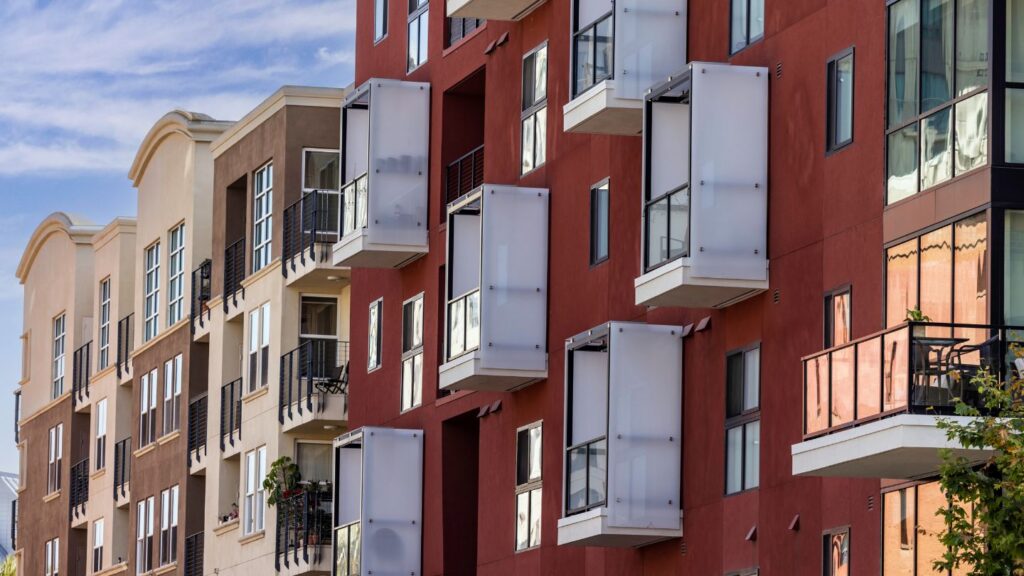
San Diego affordability continues to be one of the biggest questions facing homebuyers in 2026. Prices remain elevated, mortgage rates are still influencing monthly payments, and many homeowners are carefully weighing whether this is the right time to move. But for move-up buyers, the conversation is more nuanced than simply asking whether the market is “affordable.” In a city like San Diego, value is not always found in the lowest price point. It is often found in the right combination of location, property condition, lifestyle fit, long-term utility, and future resale strength. For homeowners who already have equity and are considering their next chapter, 2026 may offer more strategic opportunities than the headlines suggest. Affordability Looks Different for Move-Up Buyers First-time buyers often define affordability by whether they can enter the market at all. Move-up buyers are usually asking a different question: “Can I improve my lifestyle without weakening my long-term financial position?” That may mean moving from a condo to a detached home, trading a longer commute for a more convenient location, gaining space for a growing household, or choosing a property that better supports remote work, multigenerational living, or long-term wealth planning. Because many move-up buyers are selling a property at the same time they are purchasing another, equity becomes an important part of the strategy. The goal is not just to buy more house. The goal is to use existing equity wisely, understand total monthly costs, and choose a home that serves both today’s needs and tomorrow’s plans. Where Value Still Exists in San Diego In 2026, value in San Diego is less about chasing the cheapest home and more about identifying areas where the price, lifestyle, and long-term ownership benefits are properly aligned. That may include communities where homes spend slightly longer on the market, properties that need cosmetic updates, or neighborhoods where buyers can gain more space without moving too far from their preferred schools, jobs, or daily routines. Move-up buyers may also find value by comparing detached homes, townhomes, and condos with a clear understanding of total ownership costs. A lower purchase price may not always mean a lower monthly commitment if HOA dues, insurance, maintenance, or special assessments are significant. On the other hand, a well-managed attached-home community may provide a strong lifestyle fit with lower maintenance responsibilities. The strongest opportunities often appear when buyers look beyond surface-level price and evaluate the full ownership picture: location, condition, floor plan, outdoor space, parking, neighborhood demand, renovation needs, and future resale appeal. The Tradeoffs Buyers Should Evaluate Every move-up purchase involves tradeoffs. In San Diego, those tradeoffs are especially important because small differences in location, property type, and condition can significantly affect both price and long-term satisfaction. A buyer may need to decide whether a larger home farther inland is more valuable than a smaller home closer to the coast. Another may compare a remodeled condo in a walkable area with an older detached property that offers more land and future improvement potential. Others may find that the best value is not the largest home available, but the home that best supports their family, commute, finances, and long-term plans. This is where experienced guidance matters. A strong real estate advisor can help buyers separate emotional appeal from actual value, evaluate comparable sales, review market timing, and understand whether a property’s price reflects its condition and location accurately. Why Timing Still Matters San Diego remains a desirable market, but buyers in 2026 are seeing more room for thoughtful decision-making than they had during the most competitive pandemic-era years. Some homes are still moving quickly, especially when they are well-priced and well-presented. Others are sitting longer, creating opportunities for buyers who are prepared, realistic, and ready to negotiate. For move-up buyers, timing is about more than watching interest rates. It is also about coordinating the sale of an existing home, understanding net proceeds, planning the next down payment, and avoiding rushed decisions. A buyer who waits for the “perfect” market may miss a property that fits their life well. A buyer who moves too quickly may overextend or overlook important details. The best approach is to build a plan before shopping seriously. That includes a pricing review of the current home, a financing conversation, a target monthly payment range, and a clear definition of what the next home needs to accomplish. How Sellers Can Become Stronger Buyers Many move-up buyers are also sellers, and the strength of their next purchase often depends on how well they prepare their current home for market. A strategic listing plan can help maximize equity, reduce uncertainty, and create more flexibility when writing an offer on the next property. Preparation may include light repairs, thoughtful staging, pricing based on current buyer behavior, and a clear plan for timing the sale and purchase. In some cases, a seller may benefit from negotiating a rent-back period or aligning closing dates. In other situations, bridge financing or other lending tools may help create a smoother transition. The key is to avoid treating the sale and purchase as separate events. For move-up buyers, they are connected decisions. The better the first home is positioned, the stronger the buyer may be when pursuing the next one. Value Is Personal, But It Should Still Be Measured Real estate is both financial and personal. A home is where daily life happens, but it is also one of the most significant assets many people will own. The right move-up decision should honor both sides of that equation. Value may mean shortening a commute, gaining a bedroom, creating space for aging parents, moving closer to community, or choosing a home with better long-term flexibility. But even when the motivation is personal, the decision should still be supported by market data, financial clarity, and a thoughtful plan. In San Diego’s 2026 housing market, affordability challenges are real. So are the opportunities. For buyers who already own a home, have built equity, and are ready to move with purpose, value still exists.
The Heart Behind the Home: How AARE’s Generous Giving Program Supports Local Communities

Real estate has always been about more than property. At its best, it is about people, families, neighborhoods, and the opportunity to create lasting impact. At AARE, that belief is reflected through the Generous Giving Program, a meaningful way to connect real estate transactions with support for local organizations and community causes. Through the AARE Generous Giving Program, clients can help their favorite organization receive much-needed support when they or someone they know works with a participating AARE agent on a property transaction. There is no added cost to the buyer or seller. The donation comes from AARE’s commission and is sent to the selected organization after the transaction closes. For many clients, buying or selling a home is one of the most important financial decisions they will make. The Generous Giving Program creates an opportunity to connect that milestone with something even larger: supporting organizations that serve, strengthen, and care for the community. Real Estate With a Greater Purpose AARE was built on a commitment to honest, ethical, and trustworthy service. That commitment shapes how our agents guide clients, how we approach each transaction, and how we think about the role real estate can play in people’s lives. The Generous Giving Program is a natural extension of that service-minded culture. It gives clients the opportunity to turn a real estate transaction into a practical act of generosity. Whether the chosen organization is a church, school, nonprofit, ministry, youth program, food pantry, veterans’ group, or other mission-driven organization, the program helps direct support toward work that matters. In that way, a closing becomes more than the completion of a transaction. It becomes a moment of shared impact. How the AARE Generous Giving Program Works The program is designed to be simple for clients and meaningful for the organizations they choose to support. The gift is not an additional expense for the buyer or seller. It is made from AARE’s commission as a reflection of the company’s commitment to generosity, service, and community care. Why Community Giving Matters Local communities are strengthened by organizations that serve faithfully every day. Schools invest in future leaders. Churches and ministries care for families. Nonprofits meet practical needs. Youth programs create opportunity. Service organizations support people during important seasons of life. These organizations often rely on generosity to continue their work. The AARE Generous Giving Program gives clients a simple way to help bring additional resources to the causes they care about through a transaction that is already taking place. For clients, this can make the buying or selling experience more meaningful. For organizations, it can provide welcome support. For AARE agents, it reinforces the deeper purpose behind the work: serving people well and creating value beyond the closing table. A Natural Reflection of AARE’s Values At AARE, generosity is not treated as a marketing idea. It is part of the company’s culture. AARE’s broader mission is rooted in integrity, professionalism, collaboration, and service. The Generous Giving Program brings those values into practical action. Clients deserve skilled representation, clear communication, thoughtful guidance, and strong advocacy. They also deserve to work with professionals who understand that real estate decisions are connected to families, neighborhoods, legacies, and purpose. By connecting excellent real estate service with community giving, AARE helps clients experience a transaction that is both professionally handled and personally meaningful. Supporting the Organizations Clients Care About One of the strengths of the Generous Giving Program is that it allows clients to direct support toward organizations that are meaningful to them. That may be a nonprofit that helped their family, a school their children attend, a church they serve with, a local ministry, or a community organization doing important work close to home. This client-directed approach keeps the program personal. It recognizes that generosity is most powerful when it is connected to real relationships and real needs. For many people, the opportunity to give back through a real estate transaction adds a deeper sense of purpose to the process. A home sale or purchase can become part of a larger story of service and impact. Turning a Milestone Into Meaningful Impact Every real estate transaction represents a transition. A buyer may be stepping into a first home, a growing family may be moving into a new chapter, a seller may be relocating, an investor may be building long-term stability, or a business owner may be securing the next location for growth. Through the Generous Giving Program, those milestones can also benefit others. A transaction that already matters to the client can become a source of encouragement and support for an organization doing meaningful work. That is the heart behind the home: real estate done with excellence, relationships built on trust, and success shared in a way that serves the broader community. Real Estate That Gives Back AARE agents understand that the best real estate relationships do not end at the closing table. They are built on trust, care, and a long-term commitment to helping people make wise decisions. The Generous Giving Program reflects that same philosophy. It reminds clients, agents, and community partners that business can be both professional and purposeful. It can serve individual goals while also contributing to the good of others. If you are planning to buy, sell, lease, or refer a real estate opportunity, ask your AARE agent how the Generous Giving Program can help turn your next transaction into an opportunity for community impact.
Community Spotlight: San Diego Neighborhoods Where Lifestyle and Long-Term Value Meet

Choosing a home is about more than choosing a property. It is also about choosing a lifestyle, a daily rhythm, and a long-term financial position. In San Diego, where coastal living, neighborhood character, recreation, employment access, and property demand can vary significantly from one community to the next, the right guidance can make a meaningful difference. At AARE, our agents help clients look beyond the surface of a home search. Square footage, bedroom count, and price are important, but they are only part of the decision. The bigger question is whether a neighborhood supports the client’s life today while also offering the potential for long-term value tomorrow. That is where local expertise matters. San Diego is not one market. It is a collection of distinct communities, each with its own personality, pace, amenities, property types, and buyer appeal. From coastal villages and beach neighborhoods to inland family communities, urban districts, and luxury enclaves, the best choice depends on the client’s goals. Why Neighborhood Selection Matters In real estate, location has always been one of the strongest drivers of long-term value. But location is not just about geography. It is about access, convenience, lifestyle, future demand, and how well a community fits the way people want to live. A home near the coast may appeal to buyers who value walkability, ocean access, outdoor recreation, and a relaxed coastal atmosphere. A suburban neighborhood may offer more space, privacy, and a quieter pace. An urban community may provide proximity to dining, entertainment, employment centers, transit, and cultural amenities. A luxury enclave may prioritize privacy, architecture, land, and exclusivity. AARE agents help clients compare these factors with clarity. The goal is not to declare one neighborhood “better” than another. The goal is to understand which community is better aligned with the client’s lifestyle, budget, timing, and long-term plans. Coastal Communities With Lasting Appeal San Diego’s coastal communities remain some of the region’s most recognized and desirable areas. Neighborhoods such as La Jolla, Del Mar, Encinitas, Carlsbad, Pacific Beach, Ocean Beach, Solana Beach, and parts of Oceanside each offer a different version of coastal living. For some clients, the appeal is immediate: beach access, ocean views, walkable village areas, surf culture, dining, recreation, and the sense of ease that comes with living near the water. For others, the appeal is strategic. Coastal land is limited, demand is often durable, and well-located homes may hold long-term value because of their scarcity and lifestyle draw. That does not mean every coastal property is the right purchase. Condition, pricing, zoning, insurance, parking, rental rules, maintenance, and future resale potential all matter. AARE agents help clients evaluate those details carefully so they can make decisions that are both emotionally satisfying and financially grounded. Luxury and Estate Communities Communities such as Rancho Santa Fe, La Jolla, Del Mar, Santaluz, and select areas of Carmel Valley and Poway often attract buyers seeking privacy, space, custom architecture, golf, equestrian amenities, or a more refined residential setting. In these markets, value is shaped by more than bedroom count or lot size. Buyers may consider architectural quality, privacy, views, usable land, community amenities, proximity to coastal areas, school access, security, and the long-term desirability of the location. Luxury real estate requires a thoughtful approach. Pricing can be highly property-specific, and buyer expectations are often elevated. AARE agents help clients understand both the lifestyle benefits and the investment considerations that come with higher-value homes. Family-Oriented and Suburban Communities Many buyers are drawn to communities such as Carmel Valley, 4S Ranch, Del Sur, Rancho Bernardo, San Marcos, Poway, Carlsbad, and parts of North County because of their balance of space, convenience, parks, community amenities, and access to daily needs. For clients planning ahead, these neighborhoods may offer practical advantages: larger homes, newer construction in some areas, neighborhood parks, shopping centers, commuter access, and a strong sense of residential stability. They can be especially attractive for buyers who want room to grow or who are thinking about how a property may support their needs over the next five to ten years. AARE agents help buyers evaluate the full picture. That may include commute patterns, local amenities, property taxes, homeowners associations, future maintenance, resale appeal, and how the neighborhood compares with nearby alternatives. Urban Living and Downtown Access San Diego also offers urban and mixed-use communities that appeal to clients who want proximity to restaurants, waterfront areas, nightlife, employment centers, cultural destinations, and a more walkable lifestyle. Downtown San Diego, Little Italy, Bankers Hill, North Park, Hillcrest, Mission Valley, and University City each offer different advantages depending on the client’s priorities. Urban living often involves a different set of considerations. Buyers may need to evaluate HOA fees, building reserves, parking, rental restrictions, view corridors, noise, walkability, transit access, and long-term redevelopment trends. For the right buyer, these areas can provide convenience and lifestyle flexibility. For investors, they may also offer rental demand or long-term appreciation potential depending on the property, location, and market conditions. North County Opportunities North County continues to attract buyers looking for a mix of coastal access, suburban comfort, employment proximity, and lifestyle variety. Communities such as Carlsbad, Encinitas, Oceanside, Vista, San Marcos, Escondido, and Poway offer a wide range of property types and price points. For some clients, North County provides more space or value compared with certain coastal or central San Diego neighborhoods. For others, it offers access to beaches, trails, business corridors, schools, shopping, and a more relaxed pace. AARE agents help clients compare North County options carefully. The right community may depend on whether a client prioritizes commute access, coastal proximity, newer construction, lot size, rental potential, or long-term growth. Matching Lifestyle With Long-Term Strategy A strong real estate decision balances the heart and the numbers. Clients should feel connected to the place they choose, but they should also understand the financial implications of that choice. That includes asking important questions. Is the neighborhood likely to remain desirable? Does the property type have broad resale appeal? Are there future development
How to Choose the Right Month to List Your Home in 2026
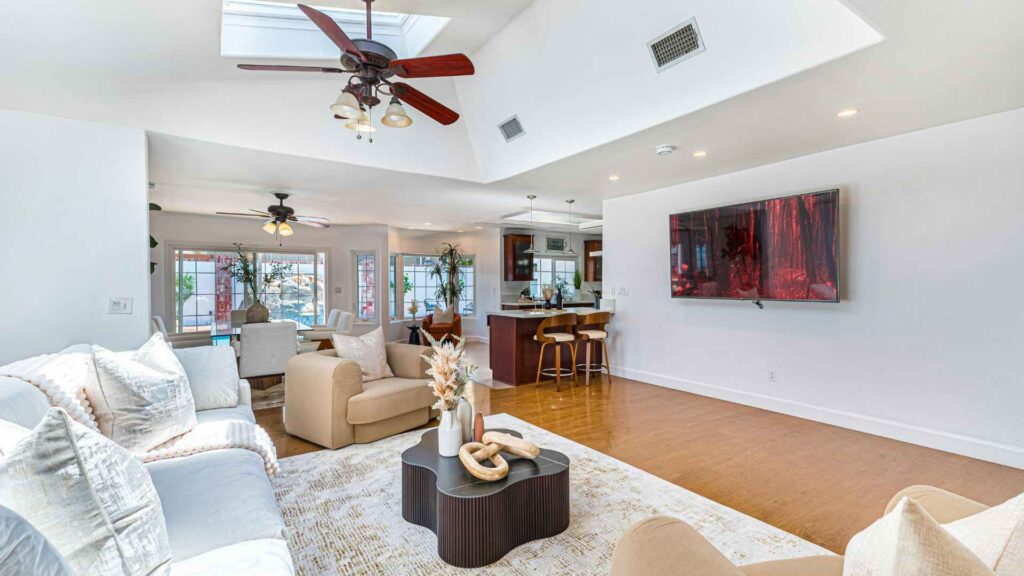
Many homeowners ask the same question before they sell: what is the best month to list my home? In 2026, the answer is not just about tradition. It is about strategy. Timing still matters, but the right month depends on more than the calendar alone. Buyer demand, competing inventory, your property condition, your neighborhood, and your own goals all play a role. For some sellers, entering the market in spring creates the strongest momentum. For others, waiting until early summer or even a lower-competition period later in the year may lead to a better overall outcome. The key is choosing the month that best aligns with your home and your market. 1. Start With the Goal, Not the Season Before choosing a month, sellers should define what matters most. Is the priority maximizing price, moving quickly, coordinating with a purchase, minimizing disruption for children, or selling before a job relocation or life transition? Different timing choices support different goals. A seller focused on speed may choose a month with stronger buyer activity. A seller focused on preparation may benefit more from waiting until the home is fully ready. The best month is the one that serves the outcome you are actually trying to achieve. 2. Spring Still Matters for a Reason Spring remains one of the strongest listing seasons because buyer activity tends to rise, homes often show well, and families aiming to move before a new school year become more active. In many markets, spring creates a valuable mix of visibility, urgency, and emotional appeal. That said, spring is not automatically the right answer for every seller. When more homeowners list at the same time, competition also increases. A spring launch works best when your home is prepared to stand out rather than simply blend into a crowded field. 3. Early Summer Can Still Be Strong For sellers who miss the early spring window, early summer may still offer meaningful opportunity. Buyer demand often remains active, relocation-driven moves continue, and many households are still trying to complete a move before fall. This can be an especially good timing option for sellers who need extra weeks to prepare the home properly. A better-presented home launched a little later can outperform a rushed listing that hit the market earlier without enough preparation. 4. Late Summer and Early Fall Can Offer Less Competition As the market moves out of peak season, some buyers step back, but so do many competing sellers. For homeowners with well-positioned properties, this lower-competition period can create an advantage, especially when the listing appeals to motivated buyers who are still active and ready to make decisions. In a market where buyers have more choices than they did a year ago, fewer competing listings can matter. Timing is not only about demand. It is also about how much noise surrounds your home when it goes live. 5. Winter Is Not Always a Bad Time to List Many sellers assume winter should always be avoided, but that is not necessarily true. While buyer volume is often lower, the buyers who remain in the market are frequently more serious. They may be relocating, handling a life change, or working against a deadline that makes them more decisive. Winter can also reduce competition meaningfully. For sellers with a move-in-ready home, strong visuals, and a practical pricing strategy, listing during a quieter season can still produce an excellent result. 6. Inventory in Your Area Matters More Than National Advice National timing patterns are useful, but they should never replace local analysis. Some markets peak earlier. Some hold momentum longer. Some are experiencing more inventory growth, while others remain supply constrained. Even within the same metro area, neighborhoods and price ranges can behave very differently. That is why sellers should evaluate their own local competition before choosing a month. The right listing window is the one that gives your home the strongest comparative position, not just the one that sounds best in a general headline. 7. The Home Must Be Ready When the Month Arrives A popular mistake is choosing a month first and forcing the home to fit the timeline. In reality, preparation often matters more than chasing the “perfect” date. If the home needs repairs, staging, landscaping, painting, decluttering, or stronger photography, sellers may benefit more from taking the time to do it right. A home that is ready tends to create better first impressions, stronger showing activity, and better negotiating power. In many cases, preparation is what turns good timing into great results. 8. Watch Buyer Behavior, Not Just the Calendar In 2026, buyers are still active, but they are also more selective. They are comparing more homes, weighing monthly costs more carefully, and taking value seriously. That means sellers should pay attention to current buyer behavior in their market, not just the season on paper. If buyers in your area are moving quickly on updated homes but ignoring overpriced or underprepared ones, that tells you more than the month alone ever could. Timing works best when it is paired with the kind of listing buyers already want. 9. Sometimes the Best Month Is the One Just Before the Crowd There is real value in entering the market just ahead of a major wave of competing listings. Sellers who list before inventory peaks may benefit from strong buyer demand without facing the full weight of seasonal competition. This can be a smart move when the home is ready and local conditions support it. In other words, the right month is not always the busiest month. Sometimes it is the month that gives your property more breathing room while buyer activity is still strong. 10. Choose Timing With Strategy, Not Assumption The best month to list your home in 2026 depends on the intersection of market conditions, local inventory, buyer activity, property readiness, and your goals as a seller. There is no universal answer that fits every home, every neighborhood, or every homeowner. At AARE, we help sellers identify the timing
San Diego Condos in 2026: Are Rising HOA Costs Changing Buyer Decisions?

Condos remain one of the most important entry points into San Diego homeownership, especially for buyers who want access to strong neighborhoods, coastal proximity, and lower upfront pricing than many detached homes. But in 2026, condo affordability is being shaped by more than the purchase price alone. For many buyers, HOA dues have become a bigger part of the decision. What once felt like a manageable line item now carries more weight in monthly budgeting, especially when buyers are already balancing mortgage costs, insurance, taxes, and closing expenses. As a result, rising HOA costs are influencing how buyers compare condos, how quickly they move, and what they are willing to pay. 1. Buyers Are Looking at the Full Monthly Payment Condo buyers in San Diego are no longer evaluating value based on list price alone. They are looking at the complete monthly cost of ownership. That includes mortgage payment, property taxes, insurance, utilities, parking, and HOA dues. When HOA costs rise, the difference between a condo and another type of property can feel smaller than expected. A buyer who initially viewed a condo as the more affordable option may begin to reconsider when the total monthly payment no longer feels like a clear advantage. 2. HOA Dues Are Changing the Definition of Affordability For years, condos often represented a practical way to buy into high-demand San Diego neighborhoods at a lower price point. That is still true in many cases, but the math has become more complicated. Buyers now look more closely at whether the monthly HOA fee offsets the lower purchase price in a way that still makes sense for their goals. This does not mean buyers are abandoning condos. It means they are becoming more selective. A condo with strong value, manageable dues, and a well-run association can still attract solid demand. But buyers are less likely to overlook high dues without a clear reason. 3. Buyers Want to Understand What the HOA Fee Actually Covers Today’s buyers are asking more detailed questions. They want to know what the fee includes, whether it covers amenities they actually care about, and whether the association appears financially healthy. A high fee may feel easier to accept if the building offers strong maintenance, security, shared spaces, or services that genuinely support the property’s value. On the other hand, if the dues feel high but the building shows visible deferred maintenance or unclear financial planning, buyers may respond with hesitation. In that sense, rising HOA costs are not just a pricing issue. They are also a trust issue. 4. Reserve Strength and Special Assessments Matter More Buyers are paying closer attention to the financial condition of the HOA itself. Reserve studies, maintenance planning, pending repairs, and the possibility of special assessments all play a larger role in how a condo is perceived. Even buyers who love a unit may hesitate if they fear future cost increases after closing. For sellers, this is important. A condo listing does not compete only on location, layout, and finishes. It also competes on the confidence buyers have in the association behind it. 5. Some Buyers Are Comparing Condos Against Low-HOA or No-HOA Alternatives As dues rise, buyers may begin comparing condos not only against other condos, but against townhomes, smaller detached homes, or properties in areas where the monthly fee burden feels lower. That comparison can change how much urgency or flexibility a buyer brings to the table. This is especially true for payment-sensitive buyers, including many first-time purchasers. If a property’s monthly carrying cost feels stretched, they may hold back or negotiate more carefully even if they like the home itself. 6. Rising HOA Costs Do Not Eliminate Demand, but They Do Raise the Bar There are still many buyers who want the lifestyle, location, and simplicity that condo living can offer. In some neighborhoods, condos remain one of the only realistic paths into ownership. But as HOA dues rise, buyers expect more in return. They want strong presentation, a well-maintained building, transparent information, and a clear explanation of value. In other words, condo sellers can still succeed, but buyers want the package to make sense financially and emotionally. 7. Sellers Need to Anticipate Buyer Questions Earlier Condo owners who are preparing to sell should expect buyers to ask about HOA fees early in the process. They may also ask about recent increases, reserve levels, insurance issues, upcoming repairs, rental restrictions, pet rules, litigation, and special assessments. Being ready with clear information can help reduce friction. It also positions the seller as credible and proactive, which matters when buyers are already cautious about the monthly cost equation. 8. Presentation and Positioning Still Matter Even in a more cost-sensitive environment, buyers respond to homes that feel well cared for and easy to understand. Professional photography, a clear listing narrative, thoughtful staging, and strong marketing can help sellers reinforce the value of the property beyond the HOA number alone. If the building has amenities, walkability, security, updated common areas, or low-maintenance convenience, those benefits should be communicated clearly. Buyers are more willing to accept a recurring cost when they understand the lifestyle and practical return they are receiving. 9. Pricing Strategy Must Reflect the Monthly Payment Reality Condo pricing in 2026 requires realism. A seller may feel that strong upgrades or a desirable location justify a premium, but buyers are often translating that price into total monthly cost before deciding whether the home still feels competitive. That makes pricing discipline especially important. Sellers who price with full awareness of the HOA impact may attract stronger interest than sellers who assume buyers will focus on purchase price alone. 10. What This Means for San Diego Condo Owners Rising HOA costs are changing buyer decisions, but they are not erasing demand for San Diego condos. They are simply making buyers more selective, more analytical, and more focused on total value. Condo owners who understand that shift can respond wisely with better preparation, stronger transparency, and sharper positioning. At
Price Cuts, Seller Credits, or Patience? How Homeowners Should Respond to a Slower Market

When the market slows down, many homeowners ask the same question: should I lower my price, offer a credit, or stay patient? It is an understandable decision point. After the first few weeks on the market, emotions can rise quickly, especially if the home has not attracted the level of interest the seller expected. The good news is that a slower market does not automatically call for a desperate move. What it does require is a more thoughtful response. The right next step depends on what the market is telling you, how buyers are reacting, and which adjustment is most likely to protect your bottom line while keeping the transaction moving forward. 1. Start by Reading the Signals Correctly Before making any change, sellers need to understand whether the issue is exposure, condition, pricing, timing, or terms. Not every home that sits for a few extra days needs a reduction. Not every showing slowdown means demand has disappeared. Sometimes the market is simply moving more deliberately than it did a year ago. Look closely at the real signals: online views, saves, showing volume, buyer feedback, comparable listings, and whether nearby homes are attracting offers faster. The goal is to respond to evidence, not frustration. 2. A Price Cut Works Best When Price Is the Real Problem If the market is telling you that buyers like the home but do not see enough value at the current number, a price adjustment may be the cleanest move. This is especially true when showings are light, comparable homes are better positioned, or buyers repeatedly mention pricing concerns. Price reductions are most effective when they are strategic, not hesitant. A small token adjustment often fails to change buyer perception. A well-calculated repositioning, however, can renew attention, improve search visibility, and bring the home back into the competitive conversation. 3. Seller Credits Can Solve the Right Problem Without Changing the Headline Price Sometimes the issue is not the list price itself. It is the buyer’s cash pressure. In those cases, a seller credit can be more useful than a price reduction. Credits may help with closing costs, repairs, or financing-related expenses like a mortgage rate buydown, depending on the structure of the transaction. For sellers, this can be an attractive option because it protects the headline sale price while still helping the buyer move forward. It can also be a smarter tool when the home is drawing interest but buyers need help bridging affordability or transaction costs. 4. Patience Is Appropriate When the Fundamentals Are Still Strong Not every listing needs immediate action. If the home is priced well, showing activity is healthy, feedback is positive, and the competition is not clearly outperforming it, patience may be the best move. A slower market often means buyers take more time to decide, not that they have disappeared. Sellers should remember that time on market feels longer in a market that has trained everyone to expect instant results. Sometimes the strongest decision is to stay steady while continuing to monitor the signals closely. 5. The Wrong Move Is Reacting Emotionally A common mistake in a slower market is making a change simply to feel proactive. Sellers may cut price too early, offer concessions too broadly, or become overly rigid because they do not want to appear weak. None of those responses are ideal if they are driven by emotion rather than strategy. Every adjustment should answer a specific question. What is preventing buyers from moving forward right now? Once that answer is clear, the right response usually becomes much easier to identify. 6. Price Cuts and Credits Do Different Jobs It helps to think of these tools differently. A price cut changes how the market sees your home. It can increase clicks, showings, and perceived value. A credit usually changes how a buyer experiences the transaction. It can improve affordability, reduce upfront cash strain, or solve issues uncovered during escrow. In other words, price cuts are often better when you need more attention. Credits are often better when you already have attention but need help getting the deal across the finish line. 7. Timing Matters More Than Sellers Realize Making the right move too late can cost momentum. If the market has already signaled a concern and the seller waits too long to respond, buyers may begin to assume there is something wrong with the property or that the seller is unrealistic. That can weaken negotiating power over time. On the other hand, changing strategy too quickly can leave money on the table. Sellers should aim for a disciplined review process, using the first wave of feedback and market response to determine whether the listing needs a change or simply more time. 8. Presentation Still Matters Before Any Pricing Decision Before reducing the number, sellers should ask whether the home is being presented as well as it should be. Weak photos, poor lighting, clutter, deferred maintenance, limited access, or an underwhelming first impression can make a fairly priced home feel overpriced. Sometimes the best response is not a price cut at all. It is stronger presentation, better marketing, refreshed staging, or a more effective launch plan. Sellers should make sure the product looks right before assuming the price must be wrong. 9. A Slower Market Rewards Precision In a fast market, mistakes can be hidden by urgency. In a slower market, they tend to show up more clearly. That is why sellers benefit from a more precise plan: a realistic price, compelling presentation, clear communication, flexible negotiation strategy, and a willingness to adapt based on what the market is actually saying. The objective is not to panic. It is to stay aligned with the market while protecting the seller’s priorities. 10. The Best Response Is Usually the Most Informed One If your home is not moving as quickly as expected, the answer is rarely a one-size-fits-all rule. Some listings need a stronger price reset. Some need a targeted credit. Others simply need time and disciplined patience.
Is San Diego Still a Seller’s Market? What the Latest Numbers Really Mean for Homeowners

San Diego remains one of the most valuable and closely watched housing markets in the country, but in 2026 the question for homeowners is no longer simple. Is it still a seller’s market? In some ways, yes. In other ways, not in the automatic, easy sense many people remember from recent years. Today’s market is better understood as selective. Strong homes still attract attention. Well-located properties still generate serious interest. But buyers are more analytical, more payment-conscious, and more willing to compare options before making a move. For sellers, that means opportunity is still there, but strategy matters more than assumption. 1. San Diego Still Has the Kind of Fundamentals Sellers Want There are good reasons homeowners continue to feel confident about San Diego. The region has long-term lifestyle appeal, limited land, durable demand, and neighborhoods that remain highly desirable to both local and relocating buyers. Those strengths do not disappear just because the market becomes more balanced. For many homeowners, this means their property still has real leverage if it is presented and priced well. San Diego is not a market where quality listings suddenly become invisible. Demand is still present. Buyers are still active. The difference is that they are acting with more intention. 2. But It Is Not the Same Seller’s Market It Was Before What has changed is the level of ease. In the strongest seller-driven periods, many listings could expect immediate attention simply by coming to market. Buyers had fewer options, less time, and more pressure to stretch. Now, homeowners need to recognize that buyers are moving through a different decision process. They are more likely to pause, compare, negotiate, and ask whether a home truly earns its price. A seller can still achieve a strong result, but the path is less automatic than it once was. 3. The Latest Numbers Require Context, Not Just Headlines Numbers can point in different directions at the same time. Home prices may remain elevated while homes take a bit longer to sell. Sales may still happen steadily while buyers gain more leverage on terms. That is exactly why homeowners should avoid oversimplified market labels. When people hear that San Diego prices are still high, they may assume sellers can do whatever they want. When they hear buyers are gaining negotiating power in more markets nationally, they may assume sellers are losing their edge. In reality, San Diego sits somewhere in the middle: still strong, but more selective and more strategic. 4. Sellers Still Have an Advantage When the Home Is Prepared Well One of the clearest signs that San Diego has not become a weak market is that prepared homes continue to stand out quickly. Buyers are still willing to move when they see a property that feels worth it. Clean presentation, strong photography, curb appeal, thoughtful updates, and accurate pricing all help create that response. For sellers, this is encouraging. It means the market still rewards effort. Homeowners who prepare their property carefully and launch with a clear strategy can still create excellent momentum. 5. Overpricing Is More Dangerous Than It Used to Be If there is one place where homeowners can feel the market shift most clearly, it is pricing. Buyers today are far less likely to reward aspirational pricing just because inventory is limited. They are calculating monthly payment, comparing competing homes, and watching for value more closely than before. That means the wrong list price can slow down showings, weaken perceived value, and lead to reductions that hurt leverage later. Sellers who want to protect their outcome often do better by pricing with discipline at the start rather than testing the market with hope alone. 6. Neighborhoods and Price Points Are Not Moving the Same Way Another reason the seller’s-market question is complicated is that San Diego does not move as one uniform market. Some neighborhoods still behave with clear seller strength. Others are showing more balance. Some luxury areas respond to design, privacy, and uniqueness. Entry-level and mid-range segments may be driven more by affordability and payment sensitivity. For homeowners, this means broad headlines are helpful, but local interpretation matters more. The real question is not only what San Diego is doing overall. It is what your neighborhood, property type, and buyer pool are doing right now. 7. Buyers Still Want San Diego, but They Want Clarity Too San Diego continues to attract buyers because of climate, lifestyle, coastal access, employment anchors, and long-term desirability. But wanting the market and feeling comfortable making an offer are not the same thing. Buyers want clarity around condition, disclosures, monthly cost, competition, and whether the home feels worth the commitment. Sellers who reduce uncertainty through better preparation and communication often outperform sellers who assume demand alone will carry the deal. 8. So Is It Still a Seller’s Market? The most accurate answer is this: San Diego still offers meaningful advantages to sellers, but it is no longer a market where every homeowner can expect the same result simply because they list. Strong demand and high values remain, yet buyers have become more selective and more empowered than they were at the peak of seller control. In practical terms, that means sellers still have opportunity, but the winners are the ones who treat the process seriously. A well-priced, well-presented home in a desirable location can still perform extremely well. A home that enters the market overpriced or underprepared may feel the shift quickly. 9. What Homeowners Should Do Next If you are thinking about selling, the smartest next step is not guessing whether the market is hot or cold. It is understanding where your property fits right now. That means reviewing neighborhood competition, recent comparable sales, buyer expectations in your price band, and the upgrades or presentation details that could improve your outcome. Homeowners who prepare early usually make better decisions. They can price more confidently, market more effectively, and negotiate from a stronger position once interest arrives. 10. The Real Opportunity Is in Reading the
How to Sell a Home When Buyers Have More Choices Than They Did Last Year

For the past several years, many home sellers benefited from limited inventory, fast-moving demand, and fewer competing listings. In that kind of environment, simply putting a home on the market often created momentum on its own. Today, that is no longer guaranteed in many areas. As buyers gain more choices, they are becoming more selective. They are comparing homes more carefully, negotiating more confidently, and moving fastest on listings that feel priced right, well presented, and easy to trust. For sellers, this does not mean the market is weak. It means strategy matters more. 1. Start With a Pricing Strategy That Competes When buyers have more options, price becomes one of the first filters they use. If a home feels overpriced compared with similar listings nearby, buyers may skip it without ever seeing it in person. Even a strong home can lose momentum quickly if the price creates doubt. Sellers should approach pricing as a positioning decision, not a wish list. The goal is to enter the market in a way that attracts attention, encourages showings, and creates a realistic path to offers. In a more competitive environment, the right starting price often protects value better than a delayed reduction later. 2. Presentation Is No Longer Optional When inventory is tight, buyers may overlook cosmetic flaws because they have limited alternatives. When they have more homes to choose from, that tolerance usually drops. Presentation becomes a deciding factor. That means sellers should focus on the areas that shape first impressions most: curb appeal, cleanliness, lighting, paint touch-ups, minor repairs, decluttering, and simple updates that make the home feel cared for. Buyers do not need perfection, but they do want confidence that the property has been maintained and is ready for the next chapter. 3. Market the Home Like It Has Competition Because It Does A listing is competing long before a buyer books a showing. Online photos, the first image, the listing description, and the overall digital presentation all influence whether someone clicks, saves, shares, or schedules a visit. Professional photography, a thoughtful marketing angle, and a clear understanding of the home’s strongest selling points are essential. Sellers should ask a simple question: if a buyer compares this home with five others in the same price range, what will stand out and why? 4. Make Value Easy to Understand Buyers are not only comparing prices. They are comparing total value. A home that is priced similarly to others but offers updated systems, better condition, stronger natural light, a better floor plan, or lower maintenance can still stand out clearly if those benefits are communicated well. Sellers should be ready to highlight upgrades, renovations, energy-efficient features, neighborhood advantages, and any meaningful details that reduce buyer uncertainty. Value becomes more persuasive when it is specific. 5. Be Ready for Longer Consideration Cycles In a fast seller’s market, buyers often move quickly because waiting means losing the opportunity. When they have more choices, they may take more time before deciding. That does not always mean lack of interest. It often means they are weighing options more carefully. Sellers should not assume the market is rejecting the home simply because buyers are moving at a more measured pace. What matters is whether the listing is generating the right signals: views, showings, repeat interest, and meaningful conversations. Strategy should be guided by data, not emotion. 6. Flexibility Can Strengthen a Seller’s Position In a market where buyers have more leverage, flexibility can become a competitive advantage. That may include being open to reasonable repair requests, offering timeline accommodations, or considering credits that help a buyer move forward with confidence. Flexibility does not mean giving away value. It means understanding which terms matter most to your goals and where a small concession may protect the bigger outcome. Sellers who stay practical often keep transactions moving more effectively than sellers who react defensively to every request. 7. Transparency Builds Trust Faster Than Pressure When buyers have choices, uncertainty becomes costly. Listings that feel vague, incomplete, or overly polished without substance may lose trust quickly. Buyers want clarity around condition, disclosures, improvements, and the realistic strengths and tradeoffs of the property. Sellers who communicate openly often create stronger buyer confidence. That confidence can lead to better offers, smoother negotiations, and fewer surprises once escrow begins. 8. Showing Experience Matters More Than Many Sellers Realize A home can be beautiful and still underperform if the showing experience creates friction. Restricted access, poor scheduling, clutter during showings, or a home that feels unprepared can interrupt momentum and weaken buyer response. When buyers are comparing several homes, convenience matters. Sellers should make it easy for serious prospects to view the property, experience it well, and remember it positively after they leave. 9. Know Your Most Likely Buyer Not every buyer is looking for the same thing. Some care most about payment. Others care about layout, school access, lifestyle, privacy, work-from-home flexibility, or long-term value. The strongest listing strategy is built around the buyer most likely to purchase the home. When sellers understand who their ideal buyer is, the decisions around pricing, staging, marketing, and negotiation become much clearer. A home marketed to everyone often connects deeply with no one. 10. Selling Well in This Market Is About Precision When buyers have more choices than they did last year, the homes that win are usually not the ones that simply exist on the market. They are the ones that are priced with discipline, prepared with care, marketed with purpose, and managed with professionalism. This is still a market where strong results are possible. But success depends less on assumption and more on execution. Sellers who prepare thoughtfully and respond strategically are far more likely to attract serious buyers and move forward with confidence. At AARE, we help homeowners navigate changing market conditions with clear guidance and a practical selling strategy. From pricing and preparation to marketing and negotiation, our team is here to help you compete well and sell wisely.
San Diego Home Sellers in 2026: What Buyers Expect Before They’ll Write an Offer

San Diego homeowners still hold a strong position in 2026, but buyers are entering the market with sharper expectations. They are watching value closely, comparing homes more carefully, and moving fastest on listings that feel well-priced, well-prepared, and easy to trust. If you are thinking about selling, it is no longer enough to simply put your home on the market and wait for offers. Today’s buyers want confidence. They want to know the home is presented well, priced with purpose, and backed by a smooth strategy from day one. 1. Buyers Expect a Price That Feels Strategic, Not Hopeful One of the fastest ways to lose momentum is to enter the market with an asking price that feels disconnected from what buyers are seeing elsewhere. Even in a high-value market like San Diego, buyers are comparing condition, location, layout, monthly payment, and long-term value before deciding whether to act. The most effective listings are not always the ones priced highest. They are the ones priced in a way that creates interest, supports showings, and encourages serious offers. A strong pricing strategy should reflect current neighborhood activity, buyer demand in your price band, and how your property truly compares to nearby alternatives. 2. Buyers Want Homes That Feel Ready Move-in-ready matters. That does not mean every home needs a full renovation, but buyers do want a property that feels clean, cared for, and easy to imagine living in. Deferred maintenance, worn finishes, clutter, and avoidable cosmetic issues can create hesitation quickly. Before listing, sellers should focus on the details that shape first impressions: paint touch-ups, lighting, landscaping, deep cleaning, simple repairs, and a polished overall presentation. Buyers want to feel they are stepping into a home that has been respected, not one they will need to rescue. 3. Buyers Expect Strong Photography and a Clear Online Presence Most buyers will experience your home online before they ever step through the front door. That means your photos, headline, listing description, and digital presentation are doing the first showing. Professional photography is no longer optional for sellers who want strong attention. Buyers expect bright, accurate images, a compelling first photo, and marketing that highlights the home’s most relevant features. If your home has natural light, updated spaces, indoor-outdoor flow, or a desirable San Diego lifestyle angle, those strengths should be visible immediately. 4. Buyers Want Transparency Early Trust plays a major role in whether buyers move forward with confidence. The more uncertainty a listing creates, the more likely buyers are to slow down, negotiate harder, or walk away. Clear disclosures, honest marketing, and thoughtful communication can set the tone for a stronger transaction. If there are upgrades, provide details. If there is a recent inspection, helpful maintenance history, or major system work completed, make that easy to understand. Buyers appreciate transparency because it reduces risk and helps them make decisions faster. 5. Buyers Expect a Home to Match Its Market Segment Every price point has its own expectations. Entry-level buyers may focus heavily on payment, condition, and immediate livability. Mid-range buyers often compare value, layout, and lifestyle convenience. Luxury buyers expect presentation, design quality, privacy, and a more elevated marketing experience. Sellers should prepare their home according to the expectations of the buyer most likely to purchase it. A one-size-fits-all listing strategy usually underperforms. The better approach is to identify the ideal buyer, understand what matters most to that audience, and position the home accordingly. 6. Buyers Are Looking Closely at Monthly Cost, Not Just Purchase Price In 2026, buyers are thinking beyond the list price. They are evaluating the full cost of ownership, including mortgage payments, insurance, taxes, HOA dues when applicable, utilities, and potential repair needs. A home that feels financially unpredictable can create resistance even if the asking price seems reasonable. Sellers who understand this can market more effectively. Features like energy efficiency, updated systems, low-maintenance landscaping, and a well-managed HOA can become meaningful selling points when framed the right way. 7. Buyers Expect a Better Showing Experience Convenience matters. If a home is difficult to show, poorly scheduled, or unavailable when interest is highest, sellers can miss opportunities. Today’s buyers expect responsive access and a showing experience that feels smooth and professional. That includes flexible showing windows, a clean and welcoming environment, and a home that feels ready each time someone walks in. Momentum is easier to build when buyers can engage with the listing without friction. 8. Buyers Want to Feel Value, Not Pressure Buyers are still motivated in San Diego, but many are less willing to rush into a decision unless the value is clear. They want enough evidence to feel good about acting. That means sellers need to create confidence through pricing, preparation, presentation, and communication rather than relying on urgency alone. When a home is positioned well, buyers tend to respond with stronger interest and cleaner offers. When a home feels overpriced, underprepared, or uncertain, they often wait, hesitate, or negotiate harder. 9. Sellers Should Be Ready for Negotiation Before the First Offer Arrives Even strong listings can bring negotiation points. Buyers may ask for credits, repairs, timeline flexibility, or help with closing costs depending on the home, the competition, and their financing. Sellers who prepare for these conversations in advance are usually in a better position than those reacting emotionally in the moment. A smart selling strategy includes knowing where you want to stand firm, where you can stay flexible, and which terms matter most to your goals. The strongest transactions are often shaped before the first offer arrives. 10. The Best Results Come From Preparation, Not Guesswork San Diego is still one of the most dynamic housing markets in the country, but strong outcomes are not created by chance. They come from understanding what buyers are seeing, what they are fearing, and what gives them confidence to move forward. If you are planning to sell, the goal is not just to get listed. The goal is to enter the market ready, with