
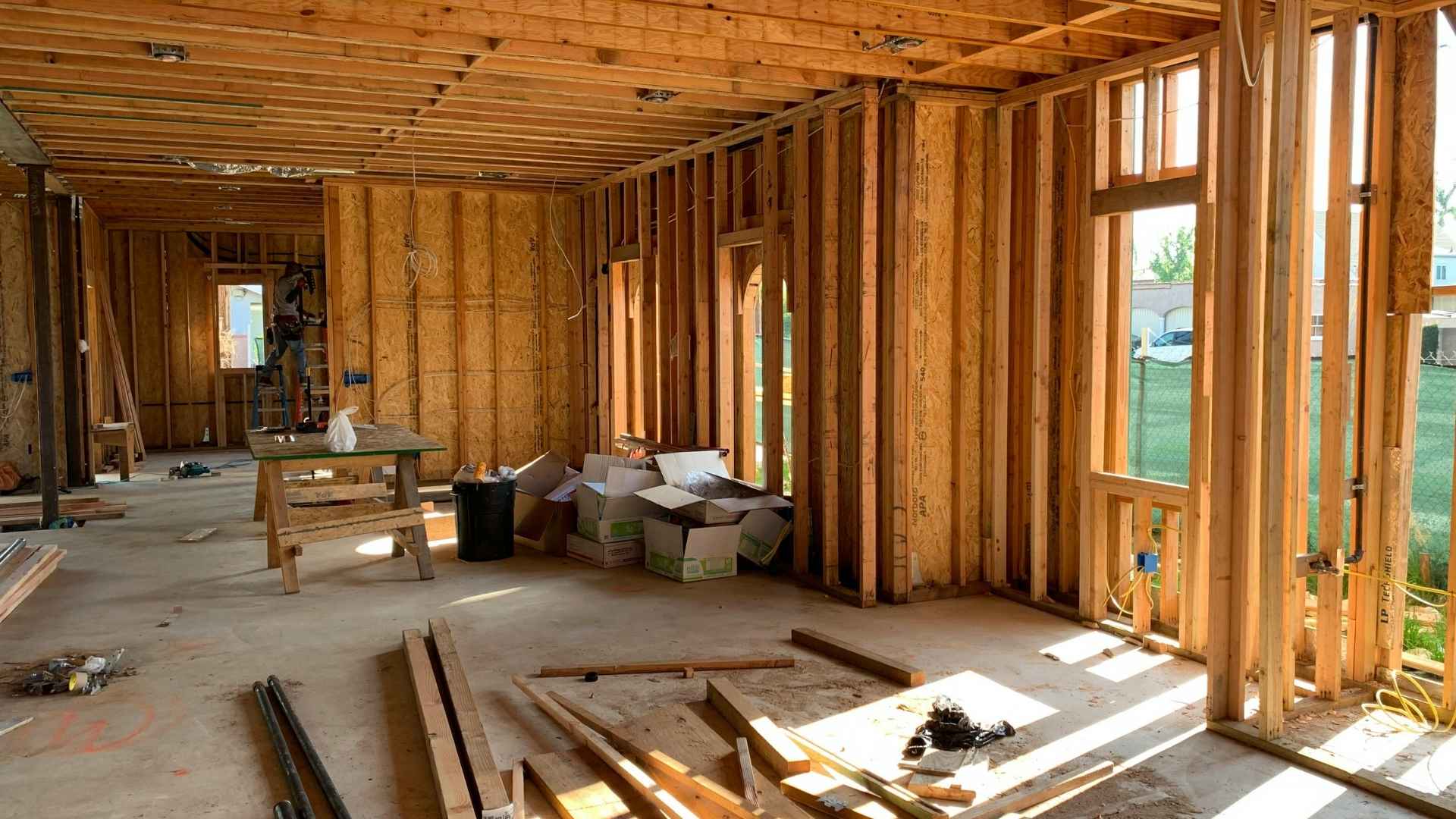
New-construction advertisements often feature incentives designed to capture a buyer’s attention.
A builder may promote a reduced mortgage rate, money toward closing costs, an upgrade package, a temporary payment buydown, or a discounted price on selected homes. Some offers can provide meaningful value, particularly when they reduce the buyer’s upfront cash needs or monthly housing expense.
However, the largest advertised incentive does not always create the best overall transaction.
An incentive may be available only on certain homes, require the buyer to use an affiliated lender or title company, expire before construction is complete, or be incorporated into a higher purchase price. The financing may also include discount points, fees, or terms that should be compared with outside options.
Before choosing a builder, homesite, or lender, buyers should evaluate the full deal: purchase price, financing, upgrades, taxes, homeowners association costs, inspections, warranties, timeline, and long-term ownership expenses.
What Is a Builder Incentive?
A builder incentive is a financial or property-related benefit offered to encourage a buyer to purchase a newly constructed home.
Common incentives include:
- Closing-cost assistance
- Temporary mortgage rate buydowns
- Permanent mortgage rate buydowns
- Discount points
- Upgrade allowances
- Included appliances
- Reduced lot premiums
- Price reductions
- Design-center credits
- Homeowners association dues paid for a limited period
- Deposits or option costs credited at closing
- Assistance tied to quick-move-in homes
The amount and structure may vary by community, homesite, construction stage, lender, and closing deadline.
Some incentives are offered by the builder. Others may come from an affiliated mortgage lender, title company, or combination of parties.
Buyers should ask for every incentive and condition in writing.
Start With the Base Price
The advertised starting price may not represent the final cost of the home shown in marketing materials or the model center.
A base price generally applies to a specific floor plan with standard features. The final purchase price may increase because of:
- Homesite or lot premiums
- Structural options
- Additional bedrooms or bathrooms
- Exterior elevation choices
- Flooring
- Cabinets and countertops
- Lighting and electrical upgrades
- Appliances
- Landscaping
- Window coverings
- Garage options
- Solar-energy systems
- Community-specific fees
A model home often includes numerous upgrades intended to demonstrate what is available rather than what is included.
Before comparing an incentive, buyers should identify the home’s actual price after required premiums and selected options.
A $20,000 incentive may be less meaningful if the chosen configuration costs substantially more than expected.
Understand the Difference Between a Price Reduction and a Credit
A price reduction lowers the contracted purchase price.
A builder credit provides money that may be applied toward eligible expenses, subject to contract terms, lender requirements, and financing limits.
A credit may help pay for:
- Allowable closing costs
- Prepaid expenses
- Discount points
- A temporary rate buydown
- Certain builder-approved upgrades
The buyer may not receive unused credit as cash. If the available credit exceeds the buyer’s eligible costs, part of the incentive may go unused unless another permitted application is negotiated.
Buyers should ask the lender to show exactly how the credit will appear on the Loan Estimate and Closing Disclosure.
Temporary Mortgage Rate Buydowns
A temporary buydown reduces the buyer’s initial principal-and-interest payments for a limited period.
One common structure is a 2-1 buydown. Under a typical arrangement, the payment during the first year is calculated as though the interest rate were two percentage points below the note rate. The second-year payment is calculated as though the rate were one percentage point lower. The buyer begins making the full payment based on the note rate in the third year.
The mortgage rate stated in the loan documents does not necessarily change during this period. Funds placed into a designated account subsidize part of the scheduled payments.
A temporary buydown may help a buyer transition into the full payment, but the buyer should be comfortable with the amount due after the subsidy ends.
The buyer should not rely on an assumption that refinancing will be available before the payment increases. Future rates, credit, income, property value, and loan requirements cannot be guaranteed.
Permanent Mortgage Rate Buydowns
A permanent buydown generally uses discount points or another approved financing structure to obtain a lower interest rate for the life of the loan.
One discount point generally equals 1% of the loan amount. The rate reduction associated with that cost is not fixed and may vary by lender, borrower, loan program, market conditions, and rate-lock date.
A permanent buydown can create long-term savings when the buyer keeps the mortgage long enough to recover the upfront cost.
The buyer should calculate the approximate break-even period by comparing:
- The cost of the buydown
- The resulting monthly savings
- The expected ownership period
- The likelihood of refinancing
- Alternative uses for the builder credit
A lower rate may be valuable, but it should not be evaluated separately from fees, points, annual percentage rate, and total loan costs.
Compare the Builder’s Lender With Outside Lenders
A builder may condition its most attractive incentive on the buyer using an affiliated or preferred lender.
That lender may offer a competitive package. The buyer should still compare it with other loan options.
The Consumer Financial Protection Bureau recommends comparing Loan Estimates for the same loan type and using consistent assumptions about points and credits. This helps buyers distinguish between a genuinely lower-cost loan and one that appears attractive because its costs are structured differently.
Request written Loan Estimates and compare:
- Interest rate
- Rate-lock period
- Annual percentage rate
- Discount points
- Origination charges
- Lender credits
- Mortgage insurance
- Estimated cash to close
- Monthly principal and interest
- Total estimated payment
- Prepayment terms
- Five-year borrowing costs
- Closing timeline
An outside lender may offer a lower rate but no builder credit. The affiliated lender may offer a larger credit but charge more in points or fees.
The best option is the one that serves the buyer’s financial goals after all costs are considered.
Ask Whether the Rate Is Locked
An advertised mortgage rate may be based on specific assumptions and may not be locked when the buyer signs the purchase agreement.
This matters because new construction can take months to complete.
Buyers should ask:
- Is the advertised rate currently available?
- What borrower qualifications are assumed?
- Is the rate fixed or adjustable?
- Is the rate locked?
- How long does the lock last?
- What happens if construction is delayed?
- Who pays for a lock extension?
- Is a float-down option available?
- Can points or credits change when the rate is locked?
- What happens if the buyer no longer qualifies?
A financing incentive tied to a short rate-lock period may offer less certainty on a home that will not be completed for several months.
Quick-Move-In Homes May Have Different Incentives
Builders sometimes offer stronger incentives on completed or nearly completed homes.
These properties are often called quick-move-in, inventory, or spec homes.
A builder may be more motivated to sell a completed property because it is carrying the cost of the land, construction, financing, taxes, utilities, insurance, and maintenance.
A quick-move-in home may offer:
- A reduced price
- A larger closing-cost credit
- A rate buydown
- Included appliances
- Completed landscaping
- A faster closing timeline
The tradeoff is that buyers may have limited ability to select finishes, structural options, or the homesite.
The buyer should inspect the actual home and confirm which features are included in the contract.
Upgrade Credits Need Careful Review
An upgrade allowance can be appealing, but its value depends on what the buyer would have selected without the incentive.
Design-center pricing may differ from retail renovation costs. Some selections may improve daily enjoyment, while others may provide limited resale value.
Buyers should prioritize upgrades that are difficult or expensive to add later, such as:
- Structural changes
- Additional windows
- Ceiling-height changes
- Electrical capacity
- Plumbing locations
- Insulation
- Additional rooms
- Garage configurations
Cosmetic items may be easier to replace after closing, although changing them later can still involve cost and disruption.
Ask whether the incentive applies to all upgrades or only selected categories. Also confirm whether unused design credit reduces the purchase price or expires.
Lot Premiums Can Offset the Incentive
A builder may charge an additional premium for a particular homesite.
Premiums may reflect:
- Views
- Larger lots
- Corner locations
- Cul-de-sacs
- Privacy
- Proximity to amenities
- Reduced rear neighbors
- Greenbelt access
- Orientation
- Location within a phase
A homesite can be worth more to an individual buyer without necessarily producing an equal increase in future appraised value.
Before paying a substantial premium, consider whether comparable resales in the area support the difference and whether the feature will appeal to future buyers.
A large lot premium can quickly absorb the benefit of a financing or closing-cost incentive.
Property Taxes May Be Higher Than the Initial Estimate
New-construction property-tax estimates can be confusing because the land may previously have been assessed without the completed home.
An early tax bill or estimate may not reflect the fully improved property.
Buyers should ask:
- How will the completed home likely be assessed?
- Are there supplemental or reassessment bills?
- Are there special taxing districts?
- Are infrastructure charges included?
- Does the community have a Mello-Roos or similar assessment?
- When will the full tax amount appear?
- How will the lender calculate the escrow payment?
Tax systems vary by state and locality.
A low initial escrow estimate may increase after the property receives its completed assessment. Buyers should budget using a realistic post-completion estimate.
Review Homeowners Association Costs and Rules
Many new communities include a homeowners association.
The monthly or annual dues may pay for roads, landscaping, gates, recreation facilities, common areas, or other services. They may also increase as the community matures.
Review:
- Current dues
- Expected increases
- Transfer and initiation fees
- Capital contributions
- Special assessments
- Amenities
- Maintenance responsibilities
- Architectural standards
- Parking rules
- Pet restrictions
- Rental restrictions
- Solar and landscaping requirements
Some communities have more than one association or an additional district fee.
The buyer should understand the total recurring obligation rather than relying only on the mortgage payment advertised by the builder.
Builder Contracts May Differ From Standard Resale Contracts
Builders commonly use their own purchase agreements.
These contracts may contain terms addressing:
- Construction changes
- Material substitutions
- Completion estimates
- Closing extensions
- Financing deadlines
- Appraisal issues
- Earnest-money deposits
- Option deposits
- Upgrade payments
- Buyer defaults
- Dispute resolution
- Inspections
- Warranties
- Cancellation rights
The contract may give the builder flexibility if materials become unavailable or construction is delayed.
Buyers should read the full agreement, not only the sales summary. A real estate attorney may be appropriate when the terms are unfamiliar or substantial funds are at risk.
Deposits May Become Nonrefundable
New-construction purchases may require an earnest-money deposit plus additional payments for structural options or design selections.
Some amounts may become nonrefundable at specified stages.
Before paying, buyers should understand:
- Which deposits are refundable
- Which payments are applied to the purchase price
- When funds become nonrefundable
- What happens if financing is denied
- What happens if the appraisal is low
- Whether delays create cancellation rights
- What happens if the buyer cannot sell another property
- Whether upgrade funds are protected
A large incentive does not eliminate the risk of losing deposits if the buyer cannot complete the purchase.
A New Home Can Still Benefit From an Inspection
New construction does not necessarily mean perfect construction.
Municipal inspections, builder quality-control reviews, lender inspections, warranties, and a buyer’s independent inspection serve different purposes.
A buyer may consider inspections at stages such as:
- Before drywall installation
- Near substantial completion
- Before the final walk-through
- Before a warranty period expires
Depending on the construction stage and contract, an inspector may evaluate visible elements involving:
- Framing
- Electrical and plumbing installations
- Insulation
- Roofing
- Drainage
- Windows and doors
- HVAC operation
- Appliances
- Interior finishes
- Safety items
The purchase agreement may control inspection access and timing.
Buyers should confirm their rights early and select an inspector who has experience with new construction. HUD materials also recognize specific warranty and inspection requirements for certain FHA-financed new homes, but those requirements do not replace the buyer’s own evaluation of the property.
Understand the Builder Warranty
A builder warranty may cover certain workmanship, materials, systems, or structural components for specified periods.
Coverage varies.
Review:
- Covered components
- Exclusions
- Warranty periods
- Required maintenance
- Claim procedures
- Emergency procedures
- Transferability
- Dispute-resolution requirements
- Structural coverage
- Manufacturer warranties
- Response deadlines
A warranty is not the same as homeowners insurance, and it does not guarantee that every defect will be corrected.
Document concerns in writing and follow the required claim process. Keep inspection reports, photographs, emails, repair records, and warranty documents.
The Final Walk-Through Is Important
Before closing, the buyer should confirm that the home is substantially complete and that agreed features have been installed.
The final walk-through may include:
- Testing doors and windows
- Operating lights and outlets
- Checking plumbing fixtures
- Reviewing appliances
- Inspecting cabinets and finishes
- Confirming flooring selections
- Checking paint and drywall
- Reviewing exterior work
- Confirming landscaping
- Identifying incomplete items
Unfinished or defective work is often recorded on a punch list.
The buyer should understand which items will be corrected before closing and which may be completed afterward. Any post-closing commitment should be documented clearly.
Do Not Assume the Model Home Represents the Final Product
Model homes are designed to create an emotional response.
They may include upgraded finishes, professional furnishings, custom landscaping, enhanced lighting, premium lots, design modifications, and decorative features that are not included in the purchase.
Ask for a written list of:
- Standard features
- Included options
- Model-home upgrades
- Lot-specific features
- Appliance packages
- Landscaping
- Window coverings
- Smart-home equipment
- Solar equipment
- Furniture or decorative exclusions
Photographs and verbal descriptions should not replace the written specifications incorporated into the contract.
Consider the Community’s Construction Timeline
A home may be completed before the surrounding neighborhood.
Living in an active construction area may involve:
- Noise
- Dust
- Construction traffic
- Temporary roads
- Changing access
- Incomplete amenities
- Limited landscaping
- Ongoing sales activity
- Future phases
- Changes to proposed plans
Ask when roads, parks, pools, schools, retail areas, and other promised amenities are expected to be completed.
Plans can change. Buyers should distinguish between approved, funded improvements and conceptual future features.
Evaluate Future Competition With the Builder
A buyer who needs to sell within the next few years may compete directly with the builder’s unsold homes.
The builder may be able to offer incentives, upgrades, warranties, and financing packages that an individual resale seller cannot match.
Consider:
- Number of planned homes
- Number of completed sales
- Remaining construction phases
- Estimated buildout period
- Upcoming floor plans
- Planned incentives
- Investor-purchase limits
- Rental concentration
New-construction ownership can be rewarding, but buyers with a short time horizon should understand how future builder inventory may affect resale.
Independent Representation Can Add Perspective
The builder’s sales representative works for the builder.
A buyer’s real estate professional can help the buyer evaluate the transaction from the buyer’s perspective, subject to state law and the representation agreement.
A buyer’s agent may assist with:
- Comparing communities
- Reviewing comparable sales
- Evaluating lot premiums
- Identifying recurring costs
- Coordinating inspections
- Reviewing incentives
- Comparing resale alternatives
- Monitoring timelines
- Communicating with the builder
- Planning for a future resale
Builders may require the agent to accompany or register the buyer during the first visit. Buyers should arrange representation before entering the sales office or submitting personal information.
Compare New Construction With Resale Homes
The strongest incentive should not prevent a buyer from comparing the new home with available resale properties.
New construction may offer:
- Modern layouts
- Energy-efficient systems
- New appliances
- Limited immediate maintenance
- Customization
- Builder warranties
- Community amenities
A resale home may offer:
- An established neighborhood
- Mature landscaping
- Larger lots
- Completed infrastructure
- Immediate availability
- Included window coverings or appliances
- Greater price negotiation
- A clearer tax and association history
Compare total costs, condition, location, commute, lot, amenities, and resale potential—not only the age of the home.
Questions Buyers Should Ask About an Incentive
Before accepting a builder incentive, ask:
- What is the incentive’s exact dollar value?
- Who is providing it?
- Which homes qualify?
- Is there a closing deadline?
- Must I use an affiliated lender or title company?
- Can the incentive be applied to the price?
- Can it pay closing costs?
- Can it fund discount points?
- Is the advertised rate temporary or permanent?
- Is the rate locked?
- What borrower qualifications are assumed?
- What happens if construction is delayed?
- Can unused credit be retained?
- Are there higher fees elsewhere in the transaction?
- How does this offer compare with outside financing?
The answers should be provided in writing and reflected in the purchase and loan documents.
Frequently Asked Questions About Builder Incentives
Are builder incentives free?
Builder incentives can reduce certain buyer costs, but they are part of the overall transaction. The buyer should compare the home’s price, lender charges, discount points, upgrades, and contractual conditions before determining the incentive’s actual value.
Do buyers have to use the builder’s preferred lender?
A buyer may be free to select another lender, but some incentives may be available only through the builder’s affiliated or preferred lender. The buyer should compare written Loan Estimates and confirm which incentives would be lost by choosing another provider.
Is a builder rate buydown always the best option?
No. Its value depends on the buydown cost, loan terms, monthly savings, expected ownership period, and other available uses for the incentive. A temporary buydown should be evaluated using the full payment that begins after the subsidy period.
Should a buyer inspect a newly built home?
An independent inspection may identify visible construction, installation, or finish concerns. Inspection rights and timing depend on the contract, construction stage, lender, and local requirements.
Can a builder incentive affect the appraisal?
The appraiser evaluates the property and transaction under applicable appraisal requirements. Large concessions, premiums, upgrades, and comparable sales may be relevant to the analysis. Buyers should discuss appraisal risk with their lender and real estate professional.
Compare the Full Deal Before Committing
Builder incentives can be useful negotiation tools. A well-structured credit or rate buydown may reduce upfront expenses, improve monthly affordability, or help a buyer select valuable features.
The incentive should be evaluated as one element of a much larger purchase.
Buyers should compare the completed home price, mortgage terms, taxes, insurance, association dues, upgrades, inspections, warranties, construction timeline, and future resale environment.
At AARE, we believe buyers make stronger decisions when they can see beyond the promotion and understand the complete transaction. The best new-construction offer is not necessarily the one with the largest advertised incentive. It is the one that provides lasting value, manageable costs, and a home that supports the buyer’s long-term goals.
This article is provided for general informational purposes only and is not legal, lending, tax, appraisal, insurance, construction, engineering, financial, or investment advice. Builder programs, incentives, contracts, mortgage terms, warranties, taxes, association costs, and inspection rights vary. Buyers should consult qualified real estate, lending, legal, tax, insurance, inspection, and construction professionals regarding their specific purchase.