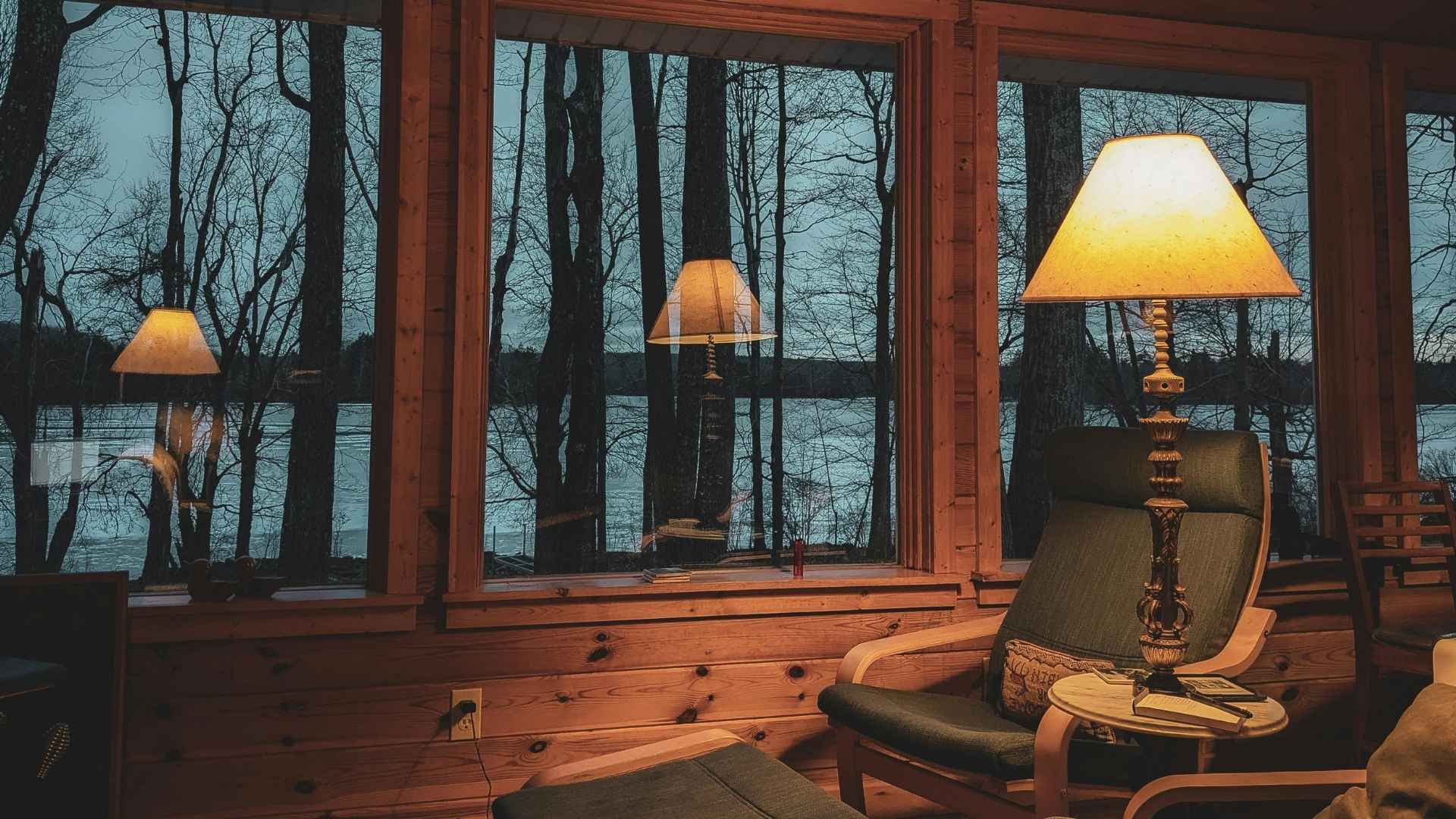
Cooler summers, tall pines, winter snow and a slower pace make Arizona’s White Mountains appealing to buyers looking for a primary residence, second home or weekend retreat.
But buying mountain property involves questions that may never come up when purchasing a home in Phoenix or another urban area.
Road access, snow, wildfire preparation, insurance, wells, septic systems and seasonal maintenance can all affect the ownership experience.
Before falling in love with the cabin, ask how the property works when you are not sitting on the porch.
Here are ten questions worth investigating.
1. Can I Reach the Property Comfortably in Every Season?
A road that feels easy in June may feel very different after winter weather.
Determine whether access is by a state highway, county-maintained road, municipal street, private road or some combination.
If private roads are involved, ask:
Who maintains them?
Who pays?
Is there a written road-maintenance agreement?
What happens after heavy snow?
Are there seasonal limitations?
Arizona transportation officials seasonally close certain high-country routes in and around the White Mountains, reinforcing why access should be evaluated as a year-round issue rather than only during the season in which you tour the property.
2. What Is the Property’s Wildfire Exposure?
Wildfire is an important consideration throughout many forested areas of Arizona.
Instead of treating wildfire as a general regional concern, evaluate the specific property and surroundings.
Ask about:
Defensible space
Vegetation around structures
Roof and siding materials
Access for emergency vehicles
Nearby evacuation routes
Local fire services
Past mitigation work
Community wildfire-preparedness programs
Also understand what maintenance will be expected from you after closing.
Owning among the trees can be part of the appeal. Managing vegetation may be part of the responsibility.
3. Can I Obtain Insurance at a Cost I Am Comfortable With?
Do not wait until the end of the transaction to investigate insurance.
Mountain properties may have characteristics that affect underwriting, including wildfire exposure, distance from fire protection, construction type, roof condition, occupancy pattern and whether the property will be vacant for extended periods.
A second home may also be insured differently from a primary residence.
If you plan to use the property as a short-term or long-term rental, tell the insurer how the property will actually be used.
Get a property-specific quote early enough that the cost and coverage can be part of your purchasing decision.
4. Where Does the Water Come From?
Do not assume every mountain property is connected to a municipal water system.
Depending on location, a property may rely on a private water company, private well or shared well.
If a well is involved, investigate the records and physical system.
Arizona’s Department of Water Resources maintains well-registration information and requires well records to be updated when ownership of a property containing a well changes.
For a shared well, read the agreement carefully.
Arizona notes that shared-well agreements are private contractual arrangements and state agencies do not regulate or enforce those agreements for the participating owners.
Ask who pays for electricity, repairs, testing and pump replacement—and what happens if the parties disagree.
5. Is the Property on Sewer or Septic?
Many rural and mountain properties use onsite wastewater systems rather than municipal sewer service.
Arizona requires a transfer-of-ownership inspection for properties served by qualifying conventional or alternative onsite septic systems.
The seller is generally responsible for obtaining the required inspection within the applicable period, and the buyer has post-transfer filing obligations.
Beyond paperwork, understand the actual system.
Ask about:
System age
Tank size
Maintenance history
Location of the tank and disposal area
Past repairs
Permits
Pumping history
Alternative-system requirements, if applicable
Future additions or remodeling could also be affected by wastewater capacity and site conditions.
6. What Will Winter Ownership Require?
Snow is part of the appeal of the White Mountains.
It is also part of home maintenance.
Consider how the property handles:
Snow removal
Roof snow loads
Frozen plumbing
Exterior stairs and walkways
Heating during extended absences
Power interruptions
Driveway access
Vehicles in winter conditions
If the property will sit vacant for weeks at a time, ask what systems can be monitored remotely and whether a local service provider will check the home after severe weather.
A cabin that works perfectly for a full-time resident may require a different plan for an owner who lives several hours away.
7. What Happens When I Am Not There?
Second-home buyers sometimes focus heavily on the weekends they expect to spend at the property.
Ownership also includes the other days of the year.
Who notices a leak?
Who checks the heat?
Who removes fallen branches?
Who responds if an alarm goes off?
Who coordinates repairs?
Some owners manage these tasks personally. Others hire local property-management, home-watch, landscaping or maintenance services.
Either approach can work.
Know your plan before the first emergency.
8. Can I Rent the Property If My Plans Change?
Some buyers assume they can offset ownership costs by renting the home when they are away.
Do not build your financial plan around that assumption until you verify it.
Rules may depend on the property’s municipality or county, zoning, community covenants, HOA restrictions, insurance policy and the type of rental activity contemplated.
Financing and tax treatment may also differ depending on use.
Verify current requirements for the specific property before treating rental income as part of the purchase equation.
9. What Does the Inspection Need to Cover?
A standard home inspection is important, but mountain conditions may justify additional attention.
Depending on the property, buyers may want to investigate:
Roof condition
Drainage
Foundation
Wood-destroying organisms
Chimney or fireplace systems
Heating equipment
Well components
Water quality
Septic system
Propane equipment
Trees near structures
Decks and exterior wood
Evidence of moisture intrusion
Outbuildings
Private roads
The objective is not to find a flawless cabin.
It is to understand what the property will require.
10. Do I Want a Mountain Home—or the Mountain-Home Responsibilities?
This may be the most important question.
A wooded lot, fireplace, snow-covered deck and quiet setting can be exactly what you want.
They may also come with more travel planning, exterior maintenance, weather exposure and property oversight than a suburban home.
Think realistically about how often you will use the property and who will maintain it.
If the home is intended for retirement, consider accessibility and proximity to the services that will matter later.
If it is intended as a family gathering place, consider sleeping capacity, parking, utilities and year-round access.
If it is primarily a retreat, determine how much ongoing responsibility you want attached to relaxation.
The Best Cabin Purchase Starts Before the Showing
Mountain real estate rewards preparation.
Before making an offer, investigate access, utilities, wastewater, insurance, wildfire considerations, maintenance and how the property will function when you are not there.
Then evaluate the lifestyle.
Can you picture using the home regularly?
Does the travel make sense?
Are you comfortable with the maintenance?
Does the cost still work without optimistic rental assumptions?
A beautiful cabin can be a meaningful place for family, rest and connection.
The goal is to make sure the ownership experience is as appealing as the view.
At AARE, we believe local knowledge matters—especially when properties come with questions that are specific to the land, climate and community around them. A thoughtful purchase begins with asking those questions before you commit.
This article is provided for general informational purposes only and is not legal, tax, insurance, environmental, water, septic, investment or property-management advice. Requirements and conditions vary by property and jurisdiction. Buyers should verify current information with the appropriate county, municipality, Arizona state agencies, insurers and qualified professionals.